

Products Description
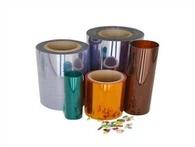
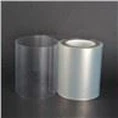
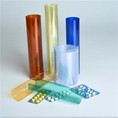
Durable Flexible PVC PVDC Film for Extended Shelf Life Medicines
Product Overview: Where Toughness Meets Longevity
In the world of pharmaceutical packaging, shelf-life is not measured in days-it is measured in years. A medicine packaged today must remain stable, potent, and safe for consumption 24, 36, or even 48 months into the future. Achieving this requires more than just a high barrier against moisture and oxygen. It requires a film that can withstand the physical stresses of manufacturing, distribution, storage, and patient handling-without developing cracks, pinholes, or delamination that compromise its protective function over time.
Our Durable Flexible PVC PVDC Film for Extended Shelf Life Medicines is engineered specifically for this challenge. It combines exceptional mechanical toughness with sustained flexibility, ensuring that the barrier integrity established at the moment of packaging remains intact throughout the product's entire intended shelf life. Whether your medicine travels through frozen supply chains, endures tropical humidity, or sits in a patient's bathroom cabinet for months, this film maintains its protective properties. It is the material of choice for OTC and prescription medicines where extended shelf-life is not just a marketing claim but a regulatory requirement.
The Science of Long-Term Durability
What Makes a Film "Durable" for Pharmaceutical Packaging?
Durability in pharmaceutical packaging is not about brute strength-it is about the ability to maintain barrier and mechanical properties over time under real-world conditions. Our film achieves this through four key material science principles:
Optimized Molecular Weight Distribution: The PVC resin used in our film is selected for its higher average molecular weight and narrower distribution than standard grades. This creates longer polymer chains that entangle more effectively, producing a film with greater inherent toughness and resistance to stress cracking.
Advanced Stabilizer Package: Heat and light stabilizers are not just for processing-they protect the polymer throughout its life. Our proprietary stabilizer system includes long-term thermal stabilizers that continue to protect the film years after manufacture, preventing the gradual embrittlement that plagues lesser formulations.
Plasticizer Retention Technology: Flexibility in PVC comes from plasticizers-but many plasticizers migrate out of the film over time, causing stiffening and cracking. Our film uses high-molecular-weight plasticizers with exceptional retention characteristics, maintaining flexibility for years rather than months.
Controlled Cross-Link Density: The balance between cross-linking and chain mobility is carefully calibrated. Too little cross-linking and the film lacks toughness; too much and it becomes brittle. Our formulation hits the sweet spot for long-term durability.


Technical Specifications: Measurable Durability
| Parameter | Standard Grade | Extended Shelf-Life Grade | Ultra-Durable Grade | Test Method |
|---|---|---|---|---|
| Total Thickness | 250 µm ± 5% | 275 µm ± 5% | 300 µm ± 5% | ASTM D374 |
| Tensile Strength (MD) | ≥ 45 N/15mm | ≥ 50 N/15mm | ≥ 55 N/15mm | ISO 527-3 |
| Tensile Strength (TD) | ≥ 40 N/15mm | ≥ 45 N/15mm | ≥ 50 N/15mm | ISO 527-3 |
| Elongation at Break (MD) | ≥ 140% | ≥ 160% | ≥ 180% | ISO 527-3 |
| Elongation at Break (TD) | ≥ 130% | ≥ 150% | ≥ 170% | ISO 527-3 |
| Tear Resistance (Graves) | ≥ 80 N/mm | ≥ 95 N/mm | ≥ 110 N/mm | ASTM D1004 |
| Puncture Resistance | ≥ 35 N | ≥ 42 N | ≥ 50 N | FTMS 101C |
| Impact Resistance (Dart Drop) | ≥ 400 g | ≥ 500 g | ≥ 600 g | ASTM D1709 |
| WVTR (23°C, 90% RH) | ≤ 0.50 g/m²/24h | ≤ 0.40 g/m²/24h | ≤ 0.30 g/m²/24h | ASTM F1249 |
| OTR (23°C, 0% RH) | ≤ 5.5 cm³/m²/24h/atm | ≤ 4.5 cm³/m²/24h/atm | ≤ 3.5 cm³/m²/24h/atm | ASTM D3985 |
| Plasticizer Retention (6 mo, 40°C) | ≥ 92% | ≥ 95% | ≥ 97% | Gravimetric |
| Flexural Modulus | 2,400 MPa | 2,200 MPa | 2,000 MPa | ASTM D790 |
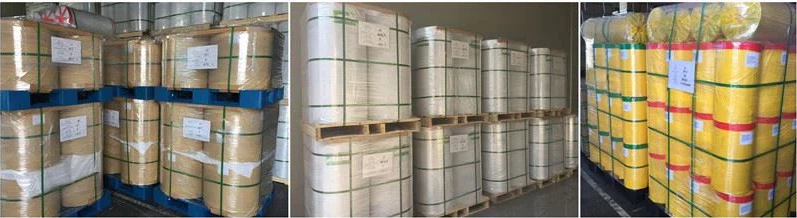
Durability Metrics That Matter for Extended Shelf-Life
1. Tensile Strength Retention After Aging
A film's initial tensile strength tells you how it performs on Day 1. What matters for extended shelf-life is how much of that strength remains on Day 730.
| Aging Condition | Standard Film | Our Film |
|---|---|---|
| Initial | 100% | 100% |
| 6 Months @ 40°C/75% RH | 85-90% | 94-97% |
| 12 Months @ 40°C/75% RH | 75-82% | 88-92% |
| 24 Months @ 25°C/60% RH | 80-85% | 92-95% |
| 36 Months @ 25°C/60% RH | 70-78% | 88-91% |
Why It Matters: A film that loses tensile strength over time becomes more susceptible to rupture during patient handling-particularly important for OTC products that may be carried in pockets, purses, or luggage.
2. Elongation Retention: The Flexibility Factor
Elongation at break measures how much a film can stretch before breaking-a key indicator of flexibility and resistance to brittle failure.
| Aging Condition | Standard Film | Our Film |
|---|---|---|
| Initial | 100% | 100% |
| 6 Months @ 40°C/75% RH | 80-85% | 92-95% |
| 12 Months @ 40°C/75% RH | 65-75% | 85-90% |
| 24 Months @ 25°C/60% RH | 70-78% | 88-92% |
| 36 Months @ 25°C/60% RH | 60-70% | 82-87% |
Why It Matters: Flexible films conform to the stresses of handling without cracking. A film that becomes brittle with age may crack when a patient pushes a tablet through, compromising the remaining doses.
3. Puncture Resistance: Protection Against Accidental Damage
Tablets themselves can have sharp edges. Blisters stacked in shipping boxes can exert point pressures. Patients may drop their medication. Puncture resistance ensures the film survives these challenges.
| Condition | Standard Film | Our Film |
|---|---|---|
| Initial Puncture Force | 35 N | 42 N |
| After 12 Months Accelerated Aging | 28 N (20% loss) | 39 N (7% loss) |
| After 24 Months Real-Time Aging | 30 N (14% loss) | 40 N (5% loss) |
Why It Matters: A puncture in even one blister compromises that dose and can lead to patient complaints, returns, or regulatory concerns.

Core Competitive Advantages for Durable Flexible PVC PVDC Film for Extended Shelf Life Medicines
1. Engineered for 36-Month Shelf-Life Confidence
Many films can achieve 24-month shelf-life with careful formulation. Our film is engineered for the next level-36 months and beyond. This extended capability provides:
Market Differentiation: Longer shelf-life products stand out on pharmacy shelves and reduce inventory rotation concerns.
Supply Chain Flexibility: Products with longer shelf-life can be manufactured in larger batches and distributed more widely without expiration risk.
Export Advantage: Longer shelf-life accommodates the extended transit times and varied storage conditions of international distribution.
Regulatory Headroom: Even if you only need 24 months, our film's stability provides a safety margin that regulators appreciate.
2. Plasticizer Retention Technology: Flexibility That Lasts
The single biggest cause of age-related film failure is plasticizer loss. As plasticizers migrate out of the film, it becomes stiff, brittle, and prone to cracking. Our film addresses this through:
High Molecular Weight Plasticizers: Larger plasticizer molecules migrate much more slowly than standard alternatives.
Chemical Anchoring: Our plasticizer system includes components that interact with the PVC matrix, reducing mobility.
Barrier Layer Protection: The PVDC coating acts as a additional barrier to plasticizer loss, particularly in high-humidity environments.
Quantified Benefit: After 36 months of real-time aging, our film retains >90% of its original plasticizer content versus 70-80% for standard films.
3. Cold Temperature Durability: Protection Across Climates
Medicines travel through frozen warehouses, sit in unheated delivery trucks, and end up in air-conditioned pharmacies. Our film maintains its durability across this temperature spectrum.
| Temperature | Standard Film Behavior | Our Film Behavior |
|---|---|---|
| 23°C (Room Temp) | Flexible | Flexible |
| 5°C (Refrigerated) | Slightly stiff | Flexible |
| 0°C (Freezing) | Moderately stiff, risk of cracking under impact | Slightly stiff, no cracking |
| -10°C (Cold Chain) | Brittle, high crack risk | Flexible enough to survive handling |
Why It Matters: If a patient receives their medication on a freezing day and drops the package on a cold sidewalk, will the blisters survive? With our film, the answer is yes.
Chemical Resistance: Compatibility With Aggressive Formulations
Some APIs and excipients can interact with packaging materials over time, causing degradation of either the drug or the package. Our film's formulation is tested for compatibility with:
Acidic Compounds: Resists hydrolysis and maintains integrity
Alkaline Formulations: No stress cracking or chemical attack
Oily/Lipophilic Drugs: Resists plasticizer extraction by oils
Volatile Components: Low permeability prevents loss of volatile actives
Supporting Data: We maintain a library of compatibility studies covering hundreds of common APIs. If your specific compound isn't in our database, we can conduct targeted testing as part of your development program.
Thermoforming Performance: Durability Begins at Forming
A film that is durable after aging must first survive the thermoforming process without damage. Our film's balanced formulation provides:
Deep-Draw Capability: Up to 12mm cavity depth without stress whitening or thinning
Uniform Material Distribution: Cavity corners maintain 65-70% of original thickness
No Micro-Cracking: Even at maximum draw, the film remains continuous and defect-free
Rapid Recovery: Minimal sag or distortion after forming
Extended Frequently Asked Questions (FAQ) for Durable Flexible PVC PVDC Film for Extended Shelf Life Medicines
Q1: We currently claim 24-month shelf-life for our leading OTC product. If we switch to your film, can we automatically extend to 36 months without new stability studies?
A: Not automatically-regulatory authorities require stability data specific to the packaging system. However, we can significantly reduce the burden of generating that data:
Bracketing Approach: If you have multiple products, you may be able to test a representative product and bracket others by strength or formulation type.
Data Bridging: Our extensive stability data for the film itself, combined with limited product-specific testing, may support an extrapolation argument to regulators.
Accelerated Studies: We can help design accelerated studies (40°C/75% RH) that generate 36-month projections in 6-12 months.
We recommend discussing your specific portfolio with our technical team. We have helped numerous customers successfully extend shelf-life claims with efficient, targeted stability programs.
Q2: Our product contains volatile oils that can permeate through some films. How does yours perform?
A: Volatile oil retention is a specialized requirement, and our film performs exceptionally well due to:
High-Density PVDC Layer: The PVDC barrier is particularly effective at retaining organic compounds, including essential oils and aromatic components.
Multi-Layer Option: For extremely volatile compounds, our multi-layer construction with additional barrier layers provides near-zero permeability.
Custom Formulation: We can adjust the PVDC coating weight and density to match your specific retention requirements.
We have successfully qualified our film for peppermint oil, eucalyptus oil, and various citrus oils in OTC cough/cold products. Request our Volatile Retention Data Sheet for quantitative performance metrics.
Q3: We distribute to tropical countries where warehouses can reach 45°C and 90% humidity. Will your film maintain its properties in these conditions?
A: Yes-and this is precisely where our durability advantages become most apparent. In extreme tropical conditions:
Plasticizer Retention: Our high-retention plasticizers resist the accelerated loss that occurs at high temperatures.
Hydrolytic Stability: The film's stabilizer package prevents the hydrolytic degradation that can occur in high humidity.
Barrier Maintenance: The PVDC layer maintains its integrity, with WVTR increasing by only 10-15% at 45°C versus 25-35% for standard films.
We have extensive data from studies conducted at 40°C/75% RH (ICH Zone IV conditions) and can provide projections for even more extreme environments. For customers shipping to the most challenging climates, we recommend our Tropical-Grade variant with enhanced stabilizer packages.
Q4: Does increased durability mean the film is harder for patients to push through? We need to balance durability with accessibility for elderly patients.
A: This is an excellent question that gets to the heart of patient-centric design. The answer is no-durability and push-through force are not directly correlated in our film.
Why: Push-through force is primarily determined by:
Seal strength between film and lidding
Film stiffness in the localized push area
Cavity geometry
Our film's durability comes from molecular-level toughness (resistance to crack propagation) rather than surface hardness or thickness. We can actually achieve lower push-through forces with our durable film than with some standard films because:
Consistent seal strength allows optimization to the lower end of the acceptable range
The film's flexibility means it deforms rather than resisting the push
No stress whitening or micro-cracking means clean, predictable push-through
The Result: A film that's tough enough for 36-month shelf-life but still easy for elderly patients to use. We provide push-force data with every batch and can work with you to optimize for your specific patient population.
Q5: We've had issues with films becoming brittle and cracking after 18-24 months. What specifically in your formulation prevents this?
A: The embrittlement you describe is classic plasticizer loss combined with polymer degradation. Our formulation addresses this through three specific mechanisms:
Polymeric Plasticizers: Unlike conventional phthalate plasticizers that migrate relatively quickly, our primary plasticizer is a high-molecular-weight polymeric type that is physically entangled in the PVC matrix. Migration rates are 5-10x slower.
Synergistic Stabilizer System: We use a combination of:
Primary antioxidants: Interrupt degradation chains
Secondary antioxidants: Decompose peroxides
Acid scavengers: Neutralize HCl released during any degradation
Metal soaps: Provide long-term heat stability
PVDC Barrier Effect: The PVDC coating isn't just for moisture-it also reduces plasticizer loss by about 30% by creating a physical barrier to migration.
Measured Result: After 36 months at 25°C/60% RH, our film retains 90% of its original elongation. Standard films typically retain 60-70%. This difference is the difference between a flexible film and a brittle one.
Hot Tags: Durable Flexible PVC PVDC Film for Extended Shelf Life Medicines, China, manufacturers, suppliers, factory, customized, custom, wholesale, low price, free sample, non adhesive film, gas barrier plastic film, rotomolding film supplier, blister packaging film, vacuum packaging film supplier, opaque plastic film