


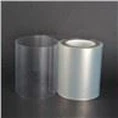
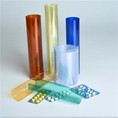
In the pharmaceutical industry, choosing the right packaging material is critical to protecting the quality and stability of drugs. PVC (polyvinyl chloride) and PVDC (polyvinyl chloride/polyvinyl acetate copolymer) are common blister packaging materials that offer excellent moisture resistance, gas barriers and protection of drugs from external factors. However, pharmaceutical companies should consider the following key factors when selecting PVC/PVDC blister packaging to ensure drug quality and safety.
Drug compatibility:
Pharmaceutical companies must consider the compatibility between the drug and PVC/PVDC when selecting packaging materials. Some drugs may interact with PVC/PVDC, resulting in a reduction in drug quality or adverse reactions. Therefore, drug compatibility studies and testing are necessary to ensure that PVC/PVDC packaging does not adversely affect the drug.
For example, studies of a drug have shown that contact with PVC packaging has resulted in irreversible decomposition of a chemical component of the drug, leading to drug failure. In this case, the pharmaceutical company should choose other materials that are more compatible with the drug.

Gas and moisture barrier properties:
PVC/PVDC packaging has excellent gas and moisture barrier properties, effectively blocking air, moisture and light from the drug. Pharmaceutical companies should evaluate the barrier properties of PVC/PVDC packaging materials to ensure that the drug is not disturbed by external factors during packaging and storage.
For example, a sensitive drug needs to be stored in a low humidity environment to ensure its stability. In this case, PVC/PVDC packaging can provide a good moisture barrier, effectively protecting the drug from moisture.
Light protection:
Certain drugs are sensitive to light and prolonged exposure to light may lead to degradation or quality changes of the drug. Therefore, pharmaceutical companies need to evaluate the light barrier performance of PVC/PVDC packaging to ensure that the drug is properly protected from light during the packaging process and during storage.
Processability:
Pharmaceutical companies should consider the processability of PVC/PVDC packaging materials, including ease of forming, cutting and sealing. These factors are critical to the efficiency of the manufacturing process and the integrity of the package.
Choosing the right packaging material is critical for pharmaceutical companies, especially when using PVC/PVDC for blister packaging. Drug compatibility, gas and moisture barrier properties, light protection, and processability are key factors that pharmaceutical companies should consider when selecting PVC/PVDC packaging materials. By considering these factors together and performing the appropriate testing and evaluation, pharmaceutical companies can select the material that best fits their drug and ensures the best protection of drug quality and safety.
Is PVC/PVDC blister packaging cost effective?
PVC/PVDC blister packs are often used in the pharmaceutical industry and are often considered a cost effective packaging option. The following are some considerations regarding the cost effectiveness of PVC/PVDC blister packaging:
Low-cost material: PVC/PVDC is one of the relatively inexpensive packaging materials available. The lower cost of PVC/PVDC compared to other high-performance materials such as rigid plastic or aluminum foil can reduce packaging costs for pharmaceutical companies. This is particularly important in mass production, where significant cost savings can be achieved.
Good barrier properties: PVC/PVDC materials have excellent gas and moisture barrier properties that effectively protect drugs from external factors, such as moisture, oxygen and light. This helps to extend the shelf life of the drug and reduces the cost of drug loss by reducing the quality loss due to contact with the external environment.
Production efficiency: PVC/PVDC blister packs are often easy to process and mold, and can be used with a variety of packaging equipment and lines. This improves packaging productivity and reduces downtime and process adjustment costs during production.
Lightweight and easy to handle: PVC/PVDC materials are relatively lightweight, which also has a positive impact on logistics and transportation processes. Lightweighting reduces transport costs and is also easier and more environmentally friendly in terms of waste disposal.

However, despite the cost-effectiveness of PVC/PVDC blister packaging, pharmaceutical companies still need to take into account other factors such as drug compatibility, compliance requirements and market demand. In some special cases, pharmaceutical companies may need to use more expensive packaging materials to ensure the stability and safety of the drug.
PVC/PVDC blister packaging is often cost-effective and can provide pharmaceutical companies with an affordable and effective drug packaging solution. However, before making a final decision, pharmaceutical companies should consider a combination of factors and make the best choice for their specific needs and requirements.