


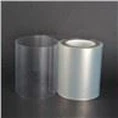
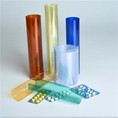
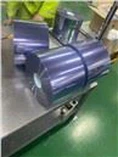
Blister packaging is one of the common forms of packaging used in the pharmaceutical industry, and PVC (polyvinyl chloride) and PVDC (polyvinyl chloride/polyvinyl acetate copolymer) are common choices for pharmaceutical blister packaging materials. However, the use of these two materials also faces a number of limitations and challenges, which will be discussed in this paper.
Physical property limitations of PVC/PVDC:
PVC/PVDC materials have certain physical property limitations, such as lower strength and stiffness, and are susceptible to environmental factors such as temperature and humidity. This can lead to a decrease in the mechanical properties of the packaging material, which affects the protective properties and stability of the product.

Environmental impact of PVC/PVDC:
PVC materials are plastics whose manufacture and handling have a negative impact on the environment. PVC manufacturing involves the use and release of hazardous substances, such as chlorine gas and organic solvents. In addition, PVC is non-biodegradable, so for sustainability and environmental friendliness reasons, some pharmaceutical companies and government agencies are encouraging the search for alternative materials to reduce reliance on PVC. the preparation and handling of PVC/PVDC materials can produce environmentally harmful chemicals such as chlorides and solvents. The release and disposal of these substances may have a negative impact on the environment and raise concerns about environmental protection and sustainable development.
Restrictions on the permeability of PVC/PVDC:
PVC/PVDC materials are breathable to some degree, which can pose a challenge to the packaging requirements of certain drugs. Some drugs need to maintain a stable gas environment in the packaging, such as oxygen and humidity, and the permeability of PVC/PVDC may lead to gas infiltration or leakage, thus affecting the quality and efficacy of the drug.
Chemical stability:
One of the reasons PVC and PVDC are chosen in the pharmaceutical industry is because of their chemical stability. They are effective in isolating drugs from moisture and oxygen. However, some drugs may interact with PVC/PVDC, resulting in degradation or denaturation of the drug. Therefore, when choosing to use PVC/PVDC blister packs, adequate compatibility studies must be conducted to ensure that the stability of the drug is not compromised.
Blister size and shape limitations: The size and shape of blisters may be limited due to the properties of PVC/PVDC materials. PVC/PVDC materials are typically supplied in rolls, so difficulties may be faced in making large or specially shaped blisters. This may limit the design and applicability of blister packages.

Light barrier properties:
Both PVC and PVDC have good light barrier properties and can effectively protect pharmaceuticals from light exposure. However, some drugs are light sensitive and may undergo photodegradation even in PVC/PVDC packaging. In such cases, it may be necessary to use other materials with better light barrier properties or take other protective measures, such as the addition of light stabilizers.
High cost: Compared to some other plastic materials, PVC/PVDC materials are more costly. This is mainly due to the special chemicals and technology required in its manufacturing process. For pharmaceutical companies that manufacture drugs on a large scale, this can add to the cost of production.
Changes in regulations and standards:
As requirements for safety and environmental friendliness of packaging materials increase, related regulations and standards are constantly changing. Some regions or countries may impose restrictions on the use of materials such as PVC/PVDC, requiring the use of more environmentally friendly and safe alternative materials, which presents a challenge for pharmaceutical blister packaging.
Solutions and alternative materials:
In the face of the above restrictions and challenges, the pharmaceutical industry can take the following measures to solve the problem:
Develop and adopt new materials: The pharmaceutical industry can actively develop and adopt new packaging materials, such as green biodegradable materials or chlorine-free materials, to replace PVC/PVDC. these new materials have better environmental friendliness and biocompatibility.
Optimize packaging design: By optimizing packaging structure and sealing performance, the use of PVC/PVDC materials can be reduced, thus reducing the environmental impact.
Strengthen regulation and compliance: Pharmaceutical companies should pay close attention to relevant regulations and standards changes to ensure compliance of packaging materials and take timely measures to comply with regulatory requirements.
Although PVC/PVDC has a wide range of applications in pharmaceutical blister packaging, its use is subject to a number of limitations and challenges. As the pharmaceutical industry's requirements for environmental friendliness and product quality continue to increase, finding alternative materials and taking appropriate measures has become an important task. By developing new materials, optimizing packaging design and regulatory compliance, the pharmaceutical industry can overcome these limitations and challenges and achieve more sustainable and safe blister packaging solutions.