

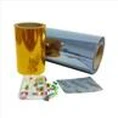


Packaging plays an essential role in protecting food from contamination and extending its shelf life. One of the most popular packaging methods used today is thermoforming, a process in which plastic sheets are heated and formed into specific shapes to create a sealed container. Among the various thermoforming materials available, PET/EVOH/PE is gaining popularity in the food industry due to its excellent barrier properties and sustainability. In this article, we will delve deeper into the science behind PET/EVOH/PE thermoforming and understand how it keeps food fresh for longer periods.

1.What is PET/EVOH/PE Thermoforming Packaging?
PET/EVOH/PE thermoforming packaging is a multilayered material composed of three layers: polyethylene terephthalate (PET), ethylene vinyl alcohol (EVOH), and polyethylene (PE). PET is a highly durable and transparent plastic, which is used as the outer layer of the packaging to provide stability and strength. EVOH is a high-performance barrier material that is impermeable to gases such as oxygen, nitrogen, and carbon dioxide. It is sandwiched between the PET layer and the innermost layer of polyethylene (PE), which acts as a sealant layer and provides a barrier against moisture and grease.
2.How Does PET/EVOH/PE Thermoforming Packaging Work?
PET/EVOH/PE thermoforming packaging works by creating a barrier against external factors such as oxygen, moisture, and light, which can cause food to spoil and deteriorate. The packaging material is designed to protect the food from these elements, keeping it fresh for longer periods.
The EVOH layer in the packaging acts as a barrier to oxygen, which is a major cause of food spoilage. Oxygen reacts with the food and causes it to oxidize, leading to changes in color, texture, and taste. By creating an impermeable barrier, the EVOH layer prevents oxygen from entering the package, thereby extending the shelf life of the food.
The PE layer in the packaging acts as a sealant layer, which provides a barrier against moisture and grease. Moisture can lead to the growth of bacteria and mold, which can cause food to spoil. The PE layer prevents moisture from entering the package, keeping the food fresh for longer periods. Additionally, the PE layer also provides a barrier against grease, preventing it from leaking out of the package and contaminating other foods.
3.Benefits of PET/EVOH/PE Thermoforming Packaging: There are several benefits of using PET/EVOH/PE thermoforming packaging for food products. These include:
a) Extended Shelf Life: As mentioned earlier, the EVOH layer in the packaging acts as a barrier against oxygen, which is a major cause of food spoilage. By preventing oxygen from entering the package, the shelf life of the food is extended, allowing it to stay fresh for longer periods.

b) Improved Food Safety: PET/EVOH/PE thermoforming packaging provides a barrier against moisture and grease, preventing the growth of bacteria and mold. This improves food safety, reducing the risk of foodborne illnesses.
c) Sustainability: PET/EVOH/PE thermoforming packaging is a sustainable option as it can be recycled. Additionally, the use of EVOH in the packaging reduces the need for preservatives and other additives, making it a healthier option for consumers.
d) Cost-Effective: PET/EVOH/PE thermoforming packaging is a cost-effective option for food manufacturers as it reduces food waste and extends the shelf life of the product. This leads to cost savings, reducing the need for frequent product replenishment.
Applications of PET/EVOH/PE Thermoforming Packaging: PET/EVOH/PE thermoforming packaging is commonly used in the food industry for a wide range of applications. Some of the most common applications include:
a) Meat and Poultry: PET/EVOH/PE thermoforming packaging is ideal for meat and poultry products as it provides a barrier against oxygen, which can cause discoloration and spoilage. The packaging also prevents the growth of bacteria, improving food safety.
b) Seafood: Seafood is highly perishable and requires specialized packaging to keep it fresh. PET/EVOH/PE thermoforming packaging is an excellent option for seafood products as it provides a barrier against oxygen and moisture, keeping the seafood fresh for longer periods.
c) Cheese and Dairy: Cheese and dairy products are sensitive to moisture and require specialized packaging to prevent spoilage. PET/EVOH/PE thermoforming packaging is ideal for cheese and dairy products as it provides a barrier against moisture and oxygen, keeping the products fresh for longer periods.
d) Bakery and Snacks: Bakery and snack products require packaging that provides a barrier against moisture and oxygen, preventing staleness and spoilage. PET/EVOH/PE thermoforming packaging is an excellent option for these products as it provides a seal against moisture and oxygen, keeping the products fresh for longer periods.
Future of PET/EVOH/PE Thermoforming Packaging: PET/EVOH/PE thermoforming packaging is a growing trend in the food industry due to its excellent barrier properties and sustainability. In the future, we can expect to see further developments in this technology, including the use of biodegradable and compostable materials to reduce environmental impact.
Additionally, advancements in technology are making it possible to create thinner, more lightweight packaging, reducing material usage and improving efficiency. We can also expect to see increased use of smart packaging, which can monitor and track the condition of the food, providing real-time information to consumers and retailers.
