


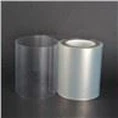
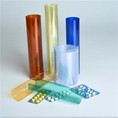
PVC (Polyvinyl Chloride) and PVDC (Polyvinylidene Chloride) have emerged as popular choices for pharmaceutical blister packaging due to a range of advantageous properties and characteristics. This article explores the factors that contribute to the widespread adoption of PVC/PVDC in the pharmaceutical industry.
Excellent Barrier Properties: One of the key reasons for the popularity of PVC/PVDC in blister packaging is its exceptional barrier properties. These materials provide a high level of protection against moisture, oxygen, light, and other external factors that could compromise the integrity and stability of pharmaceutical products. By effectively preventing the ingress of moisture and oxygen, PVC/PVDC helps extend the shelf life of medications and maintain their potency.
Transparency and Visibility: PVC/PVDC films offer excellent transparency, allowing clear visibility of the packaged pharmaceutical products. This transparency is vital for quick and accurate identification of medications, especially when they are labeled with important information, such as dosage instructions, batch numbers, and expiration dates. The ability to visually inspect the contents of blister packs without opening them enhances patient safety and convenience.
Versatility and Compatibility: PVC/PVDC films are compatible with a wide range of pharmaceutical formulations, including solid oral dosage forms such as tablets and capsules. These materials can be easily thermoformed into blister cavities of various shapes and sizes, accommodating different medication sizes and doses. The flexibility and adaptability of PVC/PVDC make them suitable for diverse pharmaceutical applications.
Cost-Effectiveness: PVC/PVDC blister packaging is known for its cost-effectiveness. These materials are relatively affordable compared to alternative packaging options, making them an economical choice for pharmaceutical manufacturers. The efficient processing and production methods for PVC/PVDC blister packs contribute to their cost-effectiveness, making them a preferred option for both generic and branded medications.

Regulatory Compliance: PVC/PVDC materials used in pharmaceutical blister packaging meet stringent regulatory requirements and industry standards. They undergo thorough testing to ensure their compatibility with medications and compliance with quality, safety, and stability guidelines. This regulatory compliance reassures pharmaceutical companies and consumers about the reliability and integrity of the packaging.
Child Resistance and Senior-Friendly Features: PVC/PVDC blister packs can be designed with child-resistant and senior-friendly features, ensuring the safety of medications in households with children or elderly individuals. Specialized designs such as blister cards with push-through or peel-off systems require specific actions to access the medication, reducing the risk of accidental ingestion or tampering.
Are there alternatives to PVC/PVDC that can be used for blister pharmaceutical packaging?
Blister pharmaceutical packaging plays a key role in ensuring the protection, safety and integrity of pharmaceutical products. While polyvinyl chloride (PVC) and polyvinylidene chloride (PVDC) are commonly used blister packaging materials, a number of alternative options have emerged in recent years. This article will explore some suitable options that can replace PVC/PVDC for blister pharmaceutical packaging.
Polyethylene (PE): PE is a versatile thermoplastic polymer with good moisture barrier properties for blister packaging. It is available in different forms such as low density polyethylene (LDPE) and high density polyethylene (HDPE). PE films can easily form blister cavities and provide excellent product visibility. However, its oxygen barrier properties may be lower compared to PVC/PVDC.
Polypropylene (PP): PP is another material widely used for blister packaging. It has good chemical resistance, transparency and moisture barrier properties. PP film can be thermoformed into blister cavities to provide excellent product protection. However, its oxygen barrier properties may be slightly inferior compared to PVC/PVDC.
Aclar® (chlorinated polyvinyl fluoride): Aclar® is a high barrier material that can be used in blister pharmaceutical packaging. It has excellent moisture resistance and gas barrier properties, effectively protecting pharmaceuticals from moisture and oxygen. aclar® films have a high degree of transparency, which contributes to the visibility and identification of pharmaceuticals. However, Aclar® materials are relatively expensive and are suitable for specific applications where barrier properties are required.
COC (cyclic olefin copolymer): COC is a material with high transparency, low moisture absorption and good barrier properties for blister packaging. It has high chemical stability and drug resistance to meet the requirements for product integrity.COC films can provide excellent visibility and product protection in blister pharmaceutical packaging.

Paper blister packaging: Traditional paper blister packaging is also an alternative option. Paper blisters typically consist of cardboard and aluminum foil, providing some physical protection and isolation. However, paper blister packaging may not be sufficiently resistant to moisture or oxidation for some pharmaceuticals.
Although PVC/PVDC is a common material used in blister pharmaceutical packaging, all of the above alternatives offer certain advantages and suitability. When selecting a suitable alternative material, pharmaceutical companies should consider product characteristics, protection needs, cost factors, and compliance requirements. A customized packaging solution may be the best choice to ensure the safety and stability of the drug.