

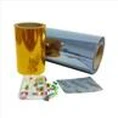


PVC and PVDC are two types of plastic materials that are commonly used for packaging purposes. While both are widely used in the packaging industry, they differ in terms of their properties, composition, and applications. In this article, we will explore the differences between PVC and PVDC.
Polyvinyl Chloride (PVC)
PVC is a synthetic plastic polymer that is made from vinyl chloride monomer. It is a thermoplastic material that can be easily molded into various shapes and forms. PVC is a highly versatile material and is used in a wide range of applications, including construction, healthcare, automotive, and packaging.
Properties of PVC:
Durability: PVC is a highly durable material that can withstand wear and tear and is resistant to impact and abrasion.
Lightweight: PVC is a lightweight material, which makes it easy to handle and transport.
Versatility: PVC can be easily molded into various shapes and forms, which makes it highly versatile.
Chemical Resistance: PVC is resistant to chemicals, which makes it suitable for use in harsh environments.

Applications of PVC:
Construction: PVC is used in the construction industry for pipes, electrical cables, flooring, and roofing.
Healthcare: PVC is used in the healthcare industry for medical tubing, blood bags, and intravenous bags.
Automotive: PVC is used in the automotive industry for dashboard covers, seat covers, and interior trim.
Packaging: PVC is used in the packaging industry for food packaging, blister packaging, and shrink wrapping.
Polyvinylidene Chloride (PVDC)
PVDC is a plastic material that is made from vinylidene chloride monomer. It is a thermoplastic material that is highly resistant to moisture, oxygen, and other gases. PVDC is a barrier material that is commonly used in food packaging to keep the food fresh and prevent spoilage.
Properties of PVDC:
Barrier Properties: PVDC is a highly effective barrier material that is resistant to moisture, oxygen, and other gases.
Transparency: PVDC is a transparent material that allows consumers to see the product inside the packaging.
Heat Sealability: PVDC can be heat-sealed, which makes it easy to seal the packaging and maintain its integrity.
Applications of PVDC:
Food Packaging: PVDC is commonly used in food packaging to keep the food fresh and prevent spoilage.
Medical Packaging: PVDC is used in medical packaging to protect medical devices and equipment from contamination.
Electrical Insulation: PVDC is used in electrical insulation to protect electrical components from moisture and other environmental factors.
Aerospace: PVDC is used in the aerospace industry for insulation, seals, and gaskets.
Differences between PVC and PVDC:
Composition: PVC is made from vinyl chloride monomer, while PVDC is made from vinylidene chloride monomer.
Properties: PVC is a durable, lightweight, and versatile material, while PVDC is a barrier material that is highly resistant to moisture, oxygen, and other gases.
Applications: PVC is used in a wide range of applications, including construction, healthcare, automotive, and packaging, while PVDC is primarily used in food packaging, medical packaging, electrical insulation, and aerospace.
Environmental Impact: PVC has a negative impact on the environment as it releases toxic chemicals during production and disposal, while PVDC is considered to be a more environmentally friendly material.
Conclusion:
In conclusion, PVC and PVDC are two types of plastic materials that are widely used in the packaging industry. While both materials have their own unique properties and applications, they differ in terms of their composition, properties, and environmental impact. PVC is a durable, lightweight, and versatile material that is used in a wide
range of applications, including packaging. On the other hand, PVDC is a barrier material that is highly resistant to moisture, oxygen, and other gases, making it ideal for food packaging and other specialized applications.
It is important to note that PVC has a negative impact on the environment due to the release of toxic chemicals during its production and disposal. PVDC, on the other hand, is considered to be more environmentally friendly as it can be recycled and is less harmful to the environment.
In summary, the choice between PVC and PVDC depends on the specific application and the desired properties of the material. While PVC is a versatile material that can be used in a wide range of applications, PVDC is a specialized material that is primarily used in food packaging and other applications that require high barrier properties. It is also important to consider the environmental impact of these materials when making a decision.