


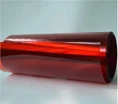


Moisture permeability, also known as water vapor transmission rate (WVTR), is a crucial property when it comes to evaluating the performance of Colorful PVC Film. As a leading supplier of Colorful PVC Film, I understand the significance of this characteristic in various applications. In this blog, I'll delve into what moisture permeability is, why it matters for Colorful PVC Film, and how it impacts different usage scenarios.
Understanding Moisture Permeability
Moisture permeability refers to the rate at which water vapor passes through a material under specific conditions of temperature and humidity. For Colorful PVC Film, it is a measure of how well the film can prevent or allow the passage of water vapor. This property is typically expressed in units such as grams per square meter per day (g/m²/day).
The moisture permeability of a material is influenced by several factors. The molecular structure of PVC itself plays a role. PVC is a polymer, and its chain arrangement can affect the ease with which water vapor molecules can penetrate through the film. Additionally, additives used in the production of Colorful PVC Film can have a significant impact. For example, plasticizers, which are added to improve the flexibility of the film, can sometimes increase its moisture permeability.
The manufacturing process also matters. Factors like the thickness of the film, the degree of orientation during extrusion, and the surface finish can all influence how water vapor interacts with the film. A thicker film generally has lower moisture permeability as there is a greater physical barrier for the water vapor to pass through.
Importance of Moisture Permeability in Different Applications
Blister Packaging
In blister packaging, moisture permeability is of utmost importance. Blister packs are commonly used to package a wide range of products, from consumer goods to pharmaceuticals. For products that are sensitive to moisture, such as certain food items or electronic components, a low moisture permeability Colorful PVC Film is essential. Amber Color PVC Film For Blister Packaging is a great option in this regard. It not only provides the necessary protection against moisture but also offers an attractive appearance due to its amber color.
Moisture can cause various problems in blister-packaged products. In the case of food, it can lead to spoilage, mold growth, and a reduction in shelf life. For electronic components, moisture can cause corrosion and malfunction. By using a Colorful PVC Film with low moisture permeability, manufacturers can ensure that their products remain in good condition during storage and transportation.
Medicine Packaging
Medicine packaging has even more stringent requirements when it comes to moisture permeability. amber color PVC Film For Medicine Packaging is specifically designed to meet these high - standards. Pharmaceuticals are extremely sensitive to moisture, as it can alter their chemical composition and reduce their effectiveness.
Exposure to moisture can cause drugs to degrade, leading to a loss of potency or the formation of harmful by - products. A Colorful PVC Film with low moisture permeability acts as a barrier, protecting the medicine from the surrounding humidity. This is crucial for maintaining the quality and safety of the medication throughout its shelf life.
Pharmaceutical Grade Rigid Film
Transparent Pharmaceutical Grade PVC Rigid Film With Different Color Of PE Material is another product where moisture permeability is a key consideration. This type of film is used in the production of high - quality pharmaceutical packaging. The transparent nature of the film allows for easy inspection of the contents, while its low moisture permeability ensures the integrity of the pharmaceutical product.
The pharmaceutical industry has strict regulations regarding packaging materials, and moisture permeability is one of the parameters that are closely monitored. Our Colorful PVC Film meets these regulatory requirements, providing a reliable solution for pharmaceutical manufacturers.
Measuring Moisture Permeability
There are several methods available for measuring the moisture permeability of Colorful PVC Film. One of the most common methods is the gravimetric method. In this method, a sample of the film is placed in a chamber with controlled temperature and humidity. A desiccant is placed on one side of the film, and the weight change of the desiccant over a specific period of time is measured. The weight gain of the desiccant is due to the water vapor that has passed through the film, and from this, the moisture permeability can be calculated.
Another method is the sensor - based method. This involves using sensors to measure the water vapor concentration on both sides of the film. By monitoring the change in water vapor concentration over time, the moisture permeability can be determined. These sensors can provide real - time data, allowing for more accurate and efficient measurements.
Controlling Moisture Permeability
As a Colorful PVC Film supplier, we have developed various techniques to control the moisture permeability of our products. One approach is to adjust the formulation of the PVC resin. By carefully selecting the type and amount of additives, we can modify the molecular structure of the film to either increase or decrease its moisture permeability.
For example, adding a moisture - barrier additive can significantly reduce the moisture permeability of the film. These additives work by creating a physical or chemical barrier that prevents water vapor from passing through. On the other hand, if a higher moisture permeability is required for a specific application, we can adjust the plasticizer content or use other additives that promote water vapor diffusion.
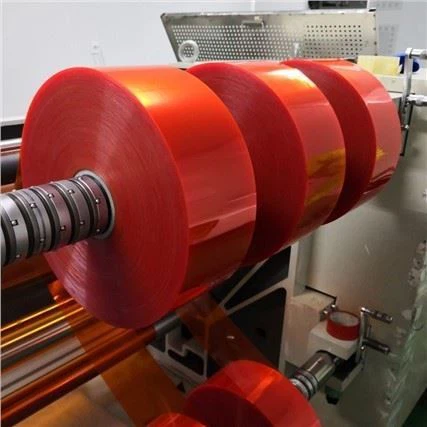

The manufacturing process can also be optimized to control moisture permeability. By adjusting the extrusion parameters, such as temperature, pressure, and speed, we can influence the thickness and orientation of the film, which in turn affects its moisture permeability.
Conclusion
Moisture permeability is a critical property of Colorful PVC Film that has a significant impact on its performance in various applications. Whether it's blister packaging, medicine packaging, or pharmaceutical grade rigid film, understanding and controlling moisture permeability is essential for ensuring the quality and protection of the packaged products.
As a reliable Colorful PVC Film supplier, we are committed to providing high - quality products with the desired moisture permeability characteristics. Our range of products, including Amber Color PVC Film For Blister Packaging, amber color PVC Film For Medicine Packaging, and Transparent Pharmaceutical Grade PVC Rigid Film With Different Color Of PE Material, are designed to meet the diverse needs of our customers.
If you are in the market for Colorful PVC Film and have specific requirements regarding moisture permeability, we invite you to contact us for a detailed discussion. Our team of experts is ready to assist you in selecting the right product for your application.
References
- ASTM International. "Standard Test Methods for Water Vapor Transmission of Materials." ASTM E96/E96M - 16.
- European Pharmacopoeia. "Packaging Materials." Chapter 3.2.1.
- TAPPI (Technical Association of the Pulp and Paper Industry). "Test Method for Water Vapor Transmission Rate of Flexible Barrier Materials." TAPPI T523 om - 17.