





As a seasoned PVC film supplier, I understand the critical role that proper packaging plays in ensuring the safe and efficient shipping of our products. PVC film, known for its versatility and wide range of applications, from Medical Blister Packaging Pvc Plastic Film to PVC Medicine Packing Sheets and Durable Pvc Pvdc Film For Pharmaceutical Packing, requires specific packing techniques to maintain its quality during transit. In this blog, I'll share my insights on how to pack PVC film for shipping, covering everything from material selection to the final steps of securing the package.

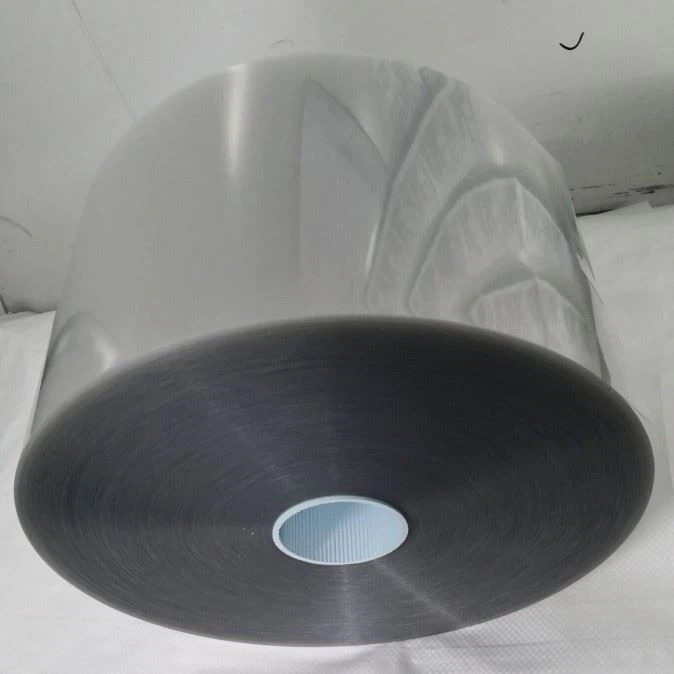
Understanding the Characteristics of PVC Film
Before diving into the packing process, it's essential to understand the unique characteristics of PVC film. PVC film is flexible, lightweight, and can be easily damaged by sharp objects, excessive heat, or moisture. These properties influence the choice of packing materials and methods. For instance, the film can be scratched or torn if not protected properly, and exposure to high temperatures can cause it to warp or melt. Moisture can lead to mold growth or affect the film's adhesive properties if it's a self - adhesive type.
Selecting the Right Packing Materials
- Inner Layers:
- Polyethylene (PE) Bags: These are an excellent choice for the inner layer of packing. PE bags are moisture - resistant and can protect the PVC film from dust and minor scratches. They come in various thicknesses, and for PVC film, a medium - thickness bag (around 50 - 100 microns) is usually sufficient. Place the PVC film rolls or sheets gently into the PE bags, ensuring that the film is fully covered.
- Foam Sheets: For added protection, especially for thicker or more delicate PVC films, foam sheets can be used. Foam sheets act as a cushion, absorbing any shocks or impacts during shipping. Cut the foam sheets to the appropriate size and place them between the layers of the PVC film or around the rolls.
- Outer Containers:
- Cardboard Boxes: Cardboard boxes are a common and cost - effective option for shipping PVC film. They provide a rigid structure that protects the film from external pressure. Choose high - quality cardboard boxes with sufficient strength. The box should be slightly larger than the packed PVC film to allow for some padding. You can use double - walled cardboard boxes for extra durability, especially for long - distance or international shipments.
- Wooden Crates: In cases where the PVC film is large, heavy, or extremely valuable, wooden crates may be necessary. Wooden crates offer superior protection against rough handling and can withstand more significant impacts. However, they are more expensive and heavier than cardboard boxes.
Preparing the PVC Film for Packing
- Inspection:
- Before packing, carefully inspect the PVC film for any defects such as scratches, tears, or discoloration. If any issues are found, mark them and decide whether the film can still be shipped or needs to be replaced. This step is crucial to ensure that the customer receives a high - quality product.
- Rolling or Folding:
- If the PVC film is in sheet form, it can be folded neatly. Make sure the folds are smooth and not too sharp to avoid creasing. For roll - form PVC film, ensure that the rolls are tightly wound. Loose rolls can shift during shipping and cause damage. You can use a band or tape to secure the end of the roll to prevent it from unwinding.
Packing the PVC Film
- Roll - Form PVC Film:
- Place the rolled PVC film into a PE bag, ensuring that the entire roll is inside. Then, wrap the foam sheets around the roll. If the roll is large, you may need multiple layers of foam. Next, place the wrapped roll into a cardboard box or wooden crate. Fill any empty spaces in the box or crate with packing peanuts, bubble wrap, or crumpled paper to prevent the roll from moving.
- Sheet - Form PVC Film:
- First, fold the PVC film sheets and place them inside a PE bag. Stack the sheets carefully to avoid any shifting. Then, place foam sheets on the top and bottom of the stack. Put the packed sheets into a cardboard box. Similar to roll - form packing, fill the empty spaces in the box with padding materials.
Labeling and Documentation
- Labeling:
- Clearly label the packed boxes or crates with important information. Include the product name (PVC film), quantity, dimensions, and handling instructions. Handling instructions should indicate that the package should be kept dry, away from heat sources, and handled with care. You can also use symbols such as "fragile" or "this side up" to ensure proper handling during shipping.
- Documentation:
- Prepare all the necessary shipping documents, including the bill of lading, commercial invoice, and packing list. The packing list should detail the contents of each box, including the type of PVC film, its size, and quantity. This documentation is essential for customs clearance and for the customer to verify the received goods.
Securing the Package
- Sealing:
- Use strong packing tape to seal the cardboard boxes. Make sure to seal all the edges and seams thoroughly. For wooden crates, use nails or screws to secure the lid tightly.
- Straping:
- For larger or heavier packages, strapping can be used to add extra security. Plastic or steel straps can be wrapped around the box or crate and tightened. This helps to keep the package intact during handling and transportation.
Shipping Considerations
- Carrier Selection:
- Choose a reliable shipping carrier with a good track record for handling delicate and sensitive goods. Research different carriers, read customer reviews, and compare their shipping rates and services. Some carriers offer special handling options for fragile items, which can be beneficial for PVC film shipments.
- Insurance:
- Consider insuring the PVC film shipment. Given the potential for damage during shipping, insurance provides financial protection in case of loss or damage. Calculate the value of the shipment accurately and choose an insurance policy that covers the full value.
Quality Control Before Shipping
- Final Inspection:
- Once the PVC film is packed and ready for shipping, conduct a final inspection. Check that the package is properly sealed, labeled, and secured. Shake the package gently to ensure that there is no excessive movement inside. If any issues are found, make the necessary adjustments before sending the package.
Encouraging Contact for Purchase
If you are in the market for high - quality PVC film, whether it's for medical blister packaging, medicine packing sheets, or pharmaceutical packing, we are here to serve you. Our PVC films are of the highest quality, and we take great care in packing them for shipping to ensure they reach you in perfect condition. If you have any questions about our products, packing methods, or shipping options, or if you are interested in placing an order, please feel free to reach out. We look forward to discussing your specific needs and providing you with the best PVC film solutions.
References
- Packaging and Shipping Handbook for Plastics Products. [Publisher details if available]
- Industry Standards for PVC Film Packaging and Shipping. [Relevant industry association or standard - setting body]