


Hey there! As a supplier of PVC, PE, and PVDC films, I often get asked about the safety of these materials, especially when it comes to food packaging. Today, I want to dig deep into the question: Is PE film safe for food packaging?
Let's start with the basics. PE, or polyethylene, is one of the most commonly used plastics in the world. It's a versatile material that comes in different forms, such as low-density polyethylene (LDPE) and high-density polyethylene (HDPE). You've probably seen PE film in action in your daily life – it's used for things like plastic bags, food wraps, and even those little produce bags at the grocery store.
One of the main reasons PE film is so popular for food packaging is its safety profile. PE is generally considered to be a safe material for food contact. It's non-toxic and doesn't contain harmful chemicals like bisphenol A (BPA) or phthalates. These are substances that have raised concerns in other types of plastics because they can potentially leach into food and have negative health effects.
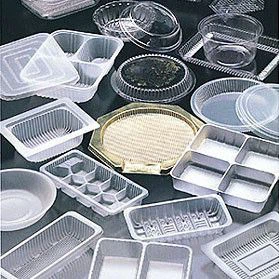
When it comes to food safety, the key is to make sure that the PE film meets the relevant regulatory standards. In the United States, the Food and Drug Administration (FDA) has strict guidelines for materials that come into contact with food. PE films that are approved for food contact have been tested to ensure that they don't transfer any harmful substances to the food.
Another advantage of PE film is its excellent moisture and gas barrier properties. It can help keep food fresh by preventing moisture loss and the entry of oxygen, which can cause spoilage. This is particularly important for perishable foods like fruits, vegetables, and meats.
But it's not all sunshine and rainbows. Like any material, PE film does have its limitations. For example, it's not very resistant to high temperatures. If you try to use a PE film in the oven or microwave, it can melt and release potentially harmful substances. So, it's important to use PE film only for its intended purpose and follow the manufacturer's instructions.
Also, while PE is generally considered safe, there are some concerns about the environmental impact of plastic waste. PE is a petroleum-based plastic, which means it's derived from non-renewable resources. And once it's discarded, it can take hundreds of years to break down in the environment. As a responsible supplier, we're always looking for ways to reduce our environmental footprint and promote sustainable packaging solutions.
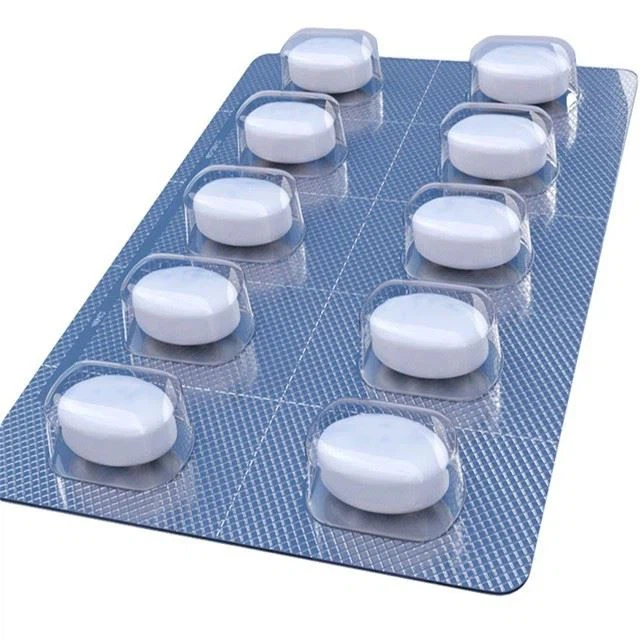
Now, let's talk about how PE film compares to other types of films we offer, like PVC and PVDC. PVC, or polyvinyl chloride, is another widely used plastic in the packaging industry. It has good clarity and is often used for blister packs and other types of rigid packaging. However, PVC has been a subject of controversy because it can contain additives like phthalates, which have been linked to health problems.
PVDC, or polyvinylidene chloride, is a high-barrier plastic that's often used in combination with PVC or PE to improve the barrier properties of the packaging. It's known for its excellent oxygen and moisture barrier, which makes it ideal for packaging products that require a long shelf life. You can learn more about our PVC/PVDC films for moisture barrier requirements packaging here.
Our high-barrier PVC/PE/PVDC film here combines the best properties of these three materials to provide a superior packaging solution. It offers excellent protection against moisture, oxygen, and other contaminants, while also being safe for food contact.
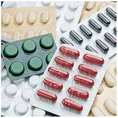
And if you're looking for PVC PVDC blister capsule packaging here, we've got you covered. Our blister packs are designed to provide a secure and convenient way to package tablets, capsules, and other pharmaceutical products.
So, to answer the question, is PE film safe for food packaging? The answer is yes, as long as it meets the relevant regulatory standards and is used correctly. It's a versatile and safe material that offers many benefits for food packaging. But as with any material, it's important to understand its limitations and use it responsibly.
If you're in the market for high-quality PVC, PE, or PVDC films for your food packaging needs, we'd love to hear from you. We offer a wide range of products that are designed to meet the specific requirements of our customers. Whether you're looking for a simple plastic bag or a complex multi-layer film, we can help you find the right solution.
Don't hesitate to reach out to us to discuss your packaging needs and get a quote. We're here to provide you with the best products and services in the industry. Let's work together to create safe and effective packaging solutions for your food products.
References
- Food and Drug Administration (FDA). (n.d.). Food Contact Substances Notification Program. Retrieved from [FDA website]
- American Chemistry Council. (n.d.). Polyethylene (PE). Retrieved from [ACC website]