



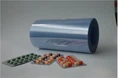

As a supplier of Normal Clear PVC Film, I am often asked about the chemical resistance of our product. Chemical resistance is a crucial factor in determining the suitability of PVC film for various applications, as it directly affects the film's durability and performance in the presence of different chemicals. In this blog post, I will delve into the chemical resistance of normal clear PVC film, exploring its properties, limitations, and applications.


Understanding PVC Film and Its Chemical Composition
Polyvinyl chloride (PVC) is a widely used thermoplastic polymer known for its versatility, durability, and cost - effectiveness. Normal clear PVC film is made from PVC resin, which is combined with various additives such as plasticizers, stabilizers, lubricants, and pigments to enhance its properties. The chemical structure of PVC consists of a chain of vinyl chloride monomers, which gives it certain inherent chemical resistance characteristics.
General Chemical Resistance of Normal Clear PVC Film
Normal clear PVC film exhibits good resistance to a wide range of chemicals under normal conditions. Here are some key chemical groups and their interaction with PVC film:
Water and Dilute Aqueous Solutions
PVC film is highly resistant to water and many dilute aqueous solutions. Water does not cause significant swelling, degradation, or loss of mechanical properties in PVC film. This makes it suitable for applications where it may come into contact with water, such as food packaging or outdoor signage.
Alcohols
PVC film shows moderate to good resistance to lower molecular weight alcohols like ethanol and isopropanol. However, at higher concentrations or with prolonged exposure, alcohols can cause some degree of plasticizer extraction from the PVC film, leading to slight hardening and embrittlement.
Acids and Bases
PVC film has fair resistance to many weak acids and bases. For example, it can withstand dilute acetic acid and sodium hydroxide solutions for a certain period. However, strong acids such as sulfuric acid and strong bases like concentrated sodium hydroxide can attack the PVC film, causing chemical degradation, discoloration, and loss of mechanical strength.
Oils and Greases
Normal clear PVC film has limited resistance to oils and greases. Oils can penetrate the film and extract plasticizers, leading to swelling, softening, and a reduction in the film's mechanical properties. This means that PVC film may not be the best choice for applications involving direct and prolonged contact with oils, such as some industrial lubricant packaging.
Organic Solvents
PVC film generally has poor resistance to organic solvents such as benzene, toluene, chloroform, and acetone. These solvents can dissolve or swell the PVC film rapidly, causing it to lose its integrity. Therefore, PVC film should be avoided in applications where there is a risk of exposure to organic solvents.
Factors Affecting the Chemical Resistance of PVC Film
Several factors can influence the chemical resistance of normal clear PVC film:
Plasticizer Content
The amount and type of plasticizer used in the PVC film formulation can significantly affect its chemical resistance. Plasticizers improve the flexibility of the film but can also make it more susceptible to chemical attack, especially by solvents and oils. Films with higher plasticizer content are generally more likely to experience plasticizer extraction and swelling in the presence of certain chemicals.
Temperature
Higher temperatures can accelerate chemical reactions and increase the rate of diffusion of chemicals into the PVC film. As a result, the chemical resistance of PVC film decreases with increasing temperature. For example, a PVC film that may be resistant to a particular chemical at room temperature may show signs of degradation when exposed to the same chemical at elevated temperatures.
Exposure Time
The longer the PVC film is exposed to a chemical, the greater the potential for chemical attack. Even chemicals to which the PVC film has some resistance can cause damage over an extended period of exposure. Therefore, when considering the use of PVC film in a chemical - containing environment, the expected exposure time must be taken into account.
Applications Based on Chemical Resistance
The chemical resistance characteristics of normal clear PVC film make it suitable for a variety of applications:
Food Packaging
Due to its good resistance to water and many food - related substances, PVC film is commonly used in food packaging. It can protect food products from moisture, oxygen, and some contaminants while providing a clear view of the contents. For example, it can be used to wrap fresh produce, cheese, and baked goods.
Medical Packaging
In the medical field, PVC film can be used for certain types of packaging. Products like PVC Film Medical Grade are designed to meet specific regulatory requirements and have appropriate chemical resistance to ensure the safety and integrity of medical devices and pharmaceuticals.
Pharmaceutical Packaging
Normal clear PVC film can also be used in pharmaceutical packaging. Suppository PVC PE Film Shell For Pharmaceutical Packaging Film and Transparent PVC/PVDC Blister Film For Medicine Packaging take advantage of PVC's properties to protect medications from environmental factors and chemical degradation.
Assessing Chemical Resistance for Specific Applications
When considering using normal clear PVC film for a specific application, it is essential to conduct chemical resistance tests. These tests can involve exposing small samples of the film to the relevant chemicals under controlled conditions and monitoring changes in properties such as appearance, weight, thickness, and mechanical strength over time.
It is also advisable to consult with chemical experts or refer to the chemical resistance data provided by the PVC film manufacturer. By doing so, you can ensure that the PVC film will perform well in the intended chemical environment and meet the specific requirements of your application.
Conclusion
In conclusion, normal clear PVC film has a complex profile of chemical resistance. It offers good resistance to water and some dilute aqueous solutions, but its performance can vary significantly when exposed to other chemicals such as acids, bases, oils, and organic solvents. Understanding the chemical resistance of PVC film is crucial for selecting the right material for different applications, whether in food packaging, medical, or pharmaceutical industries.
If you are in need of normal clear PVC film for your specific application and want to discuss its chemical resistance and suitability, I encourage you to reach out for a procurement discussion. We are committed to providing high - quality PVC film solutions tailored to your needs.
References
- "Handbook of PVC Formulating" by Edward J. Wilkes
- "Polymer Science and Technology" by Chris Macosko