



Troubleshooting issues with needle-free connectors is crucial for ensuring the safety and efficacy of medical procedures. As a leading supplier of needle-free connectors, we understand the importance of providing comprehensive guidance on how to address common problems. In this blog post, we will explore various troubleshooting techniques to help you overcome issues related to needle-free connectors.
Understanding Needle-Free Connectors
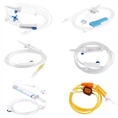
Needle-free connectors are widely used in healthcare settings to provide a safe and convenient way to connect intravenous (IV) lines, syringes, and other medical devices. They eliminate the risk of needlestick injuries and reduce the potential for contamination. Our product range includes high-quality connectors such as the Y Connector Luer Lock, Medical Needle Free Valve Connector, and Y Type Needle Free Connector, which are designed to meet the diverse needs of healthcare professionals.
Common Issues and Troubleshooting Techniques
1. Flow Restriction
One of the most common issues with needle-free connectors is flow restriction. This can occur due to various reasons, such as debris or clot formation within the connector, improper connection, or a kinked IV line.
- Inspect the Connector: Check the connector for any visible debris or clots. If debris is present, try flushing the connector with a saline solution. Use a syringe to slowly inject the saline into the connector and then aspirate to remove any debris.
- Verify the Connection: Ensure that the connector is properly connected to the IV line and other devices. A loose or incorrect connection can cause flow restriction. Make sure that the luer lock is tightened securely without over - tightening, which could damage the connector.
- Check the IV Line: Examine the IV line for any kinks or twists. Straighten the line to restore proper flow. If the kink is severe or the line is damaged, replace the IV line.
2. Leakage
Leakage from a needle - free connector can compromise the integrity of the IV system and increase the risk of infection.


- Inspect the Seals: Check the seals of the connector for any signs of damage or wear. A damaged seal can allow fluid to leak. If the seal is damaged, replace the connector immediately.
- Verify the Tightness: Ensure that all connections are tightened properly. Loose connections are a common cause of leakage. However, be careful not to overtighten, as this can also damage the connector and cause leakage.
- Check for Cracks or Damage: Examine the connector body for any cracks or damage. If a crack is found, the connector should be replaced.
3. Contamination
Contamination of needle - free connectors can lead to serious infections.
- Proper Cleaning and Disinfection: Follow the recommended cleaning and disinfection protocols. Use an appropriate disinfectant, such as alcohol wipes, to clean the access port of the connector before each use. Allow the disinfectant to dry completely before making any connections.
- Use of Protective Caps: Always keep the connector covered with a protective cap when not in use. This helps to prevent contamination from environmental sources.
- Replace as Needed: Replace the connector at the recommended intervals to minimize the risk of contamination. The replacement frequency may vary depending on the type of connector and the clinical setting.
4. Compatibility Issues
Incompatibility between the needle - free connector and other medical devices can cause problems.
- Check Device Compatibility: Before using a needle - free connector, ensure that it is compatible with the IV line, syringe, and other devices. Refer to the product documentation for compatibility information.
- Test Connections: If possible, test the connection between the connector and other devices before use. This can help to identify any compatibility issues early on.
Preventive Measures
In addition to troubleshooting, taking preventive measures can significantly reduce the occurrence of issues with needle - free connectors.
- Staff Training: Provide comprehensive training to healthcare staff on the proper use, cleaning, and maintenance of needle - free connectors. This includes correct connection techniques, disinfection procedures, and replacement schedules.
- Quality Control: Implement a strict quality control program to ensure that all needle - free connectors meet the required standards. Regularly inspect and test the connectors for functionality and safety.
- Proper Storage: Store needle - free connectors in a clean, dry environment at the recommended temperature. Improper storage can damage the connectors and affect their performance.
When to Seek Professional Help
If you have tried all the troubleshooting techniques and are still unable to resolve the issue with the needle - free connector, it may be necessary to seek professional help. Contact our technical support team, who are experts in needle - free connector technology. They can provide further guidance and assistance in resolving the problem.
Conclusion
Troubleshooting issues with needle - free connectors is an important part of ensuring the safe and effective use of these devices in healthcare settings. By understanding the common issues, implementing appropriate troubleshooting techniques, and taking preventive measures, healthcare professionals can minimize the occurrence of problems and ensure the optimal performance of needle - free connectors.
As a trusted supplier of needle - free connectors, we are committed to providing high - quality products and comprehensive support. If you are interested in purchasing our needle - free connectors or have any questions about troubleshooting, please feel free to contact us for procurement and further discussions.
References
- Centers for Disease Control and Prevention (CDC). Guidelines for the Prevention of Intravascular Catheter - Related Infections.
- Infusion Nurses Society (INS). Infusion Therapy Standards of Practice.