


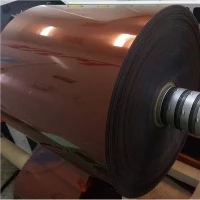

As a supplier of Blue PVC Film, I understand the importance of proper handling to avoid damage. Blue PVC film is a versatile material used in various industries, from packaging to signage. However, its unique properties require specific care during handling and storage. In this blog, I'll share some practical tips on how to handle Blue PVC Film to maintain its quality and integrity.
Understanding the Properties of Blue PVC Film
Before delving into handling techniques, it's essential to understand the characteristics of Blue PVC Film. PVC, or polyvinyl chloride, is a synthetic plastic polymer known for its durability, flexibility, and chemical resistance. The blue color can be achieved through various pigmentation methods, which may affect the film's surface properties and sensitivity to environmental factors.
Blue PVC Film can be either transparent or opaque, depending on the manufacturing process and intended use. Transparent films are often used for applications where visibility is crucial, such as display cases or protective covers. Opaque PVC Film, on the other hand, is ideal for concealing contents or providing a solid background for graphics.
Storage Conditions
Proper storage is the first step in preventing damage to Blue PVC Film. Here are some key considerations:
Temperature and Humidity
PVC film is sensitive to temperature and humidity fluctuations. Extreme heat can cause the film to warp, melt, or lose its adhesion, while high humidity can lead to moisture absorption, resulting in a cloudy appearance or mold growth. It's recommended to store Blue PVC Film in a cool, dry environment with a temperature range of 20°C to 25°C (68°F to 77°F) and a relative humidity of 40% to 60%.
Avoid Direct Sunlight
Exposure to direct sunlight can cause the blue pigment in the film to fade over time. UV rays can also degrade the PVC material, making it brittle and prone to cracking. Store the film in a dark place or use UV-blocking storage containers to protect it from sunlight.
Stacking and Support
When stacking Blue PVC Film rolls, ensure that they are properly supported to prevent deformation. Use pallets or racks designed for roll storage to keep the rolls in an upright position. Avoid stacking heavy objects on top of the film rolls, as this can cause indentations or damage to the edges.
Handling During Transportation
Transporting Blue PVC Film requires careful planning to avoid damage. Here are some tips to ensure a safe journey:
Packaging
Proper packaging is crucial to protect the film during transit. Wrap the film rolls in protective materials such as plastic sheeting or bubble wrap to prevent scratches and abrasions. Use sturdy boxes or crates to secure the rolls and prevent them from shifting during transportation.
Loading and Unloading
When loading and unloading Blue PVC Film, use appropriate handling equipment such as forklifts or pallet jacks. Avoid dropping or dragging the rolls, as this can cause damage to the film surface or edges. Ensure that the handling equipment is clean and free of any sharp objects that could puncture the film.
Securing the Load
During transportation, secure the film rolls to prevent them from moving or vibrating. Use straps or tie-downs to hold the rolls in place and prevent them from shifting during transit. This will help to minimize the risk of damage caused by impact or friction.

Handling During Installation
Installing Blue PVC Film requires precision and care to ensure a smooth and damage-free application. Here are some guidelines to follow:
Surface Preparation
Before installing the film, ensure that the surface is clean, dry, and free of any debris or contaminants. Use a mild detergent and water to clean the surface, and allow it to dry completely before applying the film. Any dirt or dust on the surface can cause bubbles or imperfections in the film.
Cutting and Measuring
Use sharp cutting tools such as utility knives or scissors to cut the Blue PVC Film to the desired size and shape. Measure the surface accurately before cutting to ensure a precise fit. Avoid using dull or damaged cutting tools, as this can cause jagged edges or tears in the film.
Application Technique
When applying the film, start from one end and slowly smooth it out over the surface, using a squeegee or a soft cloth to remove any air bubbles. Work in small sections to ensure a smooth and even application. Avoid stretching the film too tightly, as this can cause it to tear or warp.

Maintenance and Care
Once the Blue PVC Film is installed, proper maintenance is essential to ensure its long-term performance. Here are some tips to keep the film in good condition:
Cleaning
Regularly clean the film surface with a mild detergent and water to remove any dirt, dust, or stains. Avoid using abrasive cleaners or scrubbing pads, as this can scratch the film surface. Rinse the film thoroughly with water and dry it with a soft cloth.
Inspection
Periodically inspect the film for any signs of damage or wear, such as cracks, tears, or discoloration. If any damage is detected, repair or replace the affected area as soon as possible to prevent further deterioration.
Protection
To protect the film from scratches and abrasions, avoid placing sharp or heavy objects on the surface. Use protective covers or mats in high-traffic areas to minimize the risk of damage.
Conclusion
Handling Blue PVC Film requires careful attention to detail to avoid damage. By understanding the properties of the film, following proper storage, transportation, installation, and maintenance procedures, you can ensure that the film remains in good condition and performs as expected.
If you're interested in purchasing Blue PVC Film or other related products such as White PVC Film or Discount Medical Grade Gloves, please feel free to contact us for more information and to discuss your specific requirements. We're here to help you find the best solutions for your needs.
References
- ASTM International. (2021). Standard Specification for Poly(Vinyl Chloride) (PVC) Film and Sheeting. ASTM D3951 - 21.
- European PVC Industry. (2020). PVC: The Versatile Polymer. Retrieved from [Website URL]
- Plastics Industry Association. (2022). Handling and Storage of Plastic Films. Technical Bulletin.