



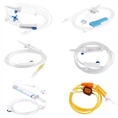


Ensuring the quality of infusion accessories before use is of paramount importance in the medical field. As a trusted supplier of infusion accessories, I understand the critical role these components play in patient care. In this blog post, I will share some essential steps and considerations for checking the quality of infusion accessories to guarantee their safety and effectiveness.
Visual Inspection
The first step in checking the quality of infusion accessories is a thorough visual inspection. Start by examining the packaging for any signs of damage, such as tears, punctures, or leaks. A damaged package can compromise the sterility of the product inside, so it's crucial to discard any items with compromised packaging.
Once you've verified the integrity of the packaging, carefully remove the infusion accessory and inspect it for any visible defects. Look for cracks, chips, or other physical damage on the components. Pay close attention to areas where the accessory connects to other devices, such as connectors and ports, as these areas are more prone to damage.


For example, when inspecting a Medical Check Valve, check for any signs of deformation or blockage in the valve mechanism. A malfunctioning check valve can lead to backflow of fluids, which can be dangerous for patients. Similarly, when examining a Medical Drip Chamber, ensure that the chamber is clear and free of any debris or foreign particles. A clogged drip chamber can affect the accuracy of fluid administration.
Sterility Check
Infusion accessories must be sterile to prevent the introduction of harmful microorganisms into the patient's body. To check the sterility of the product, look for indicators on the packaging, such as sterilization labels or expiration dates. These indicators provide information about the sterilization method used and the date until which the product remains sterile.
If the product has an expiration date, make sure it is still valid. Using expired infusion accessories can increase the risk of infection and other complications. Additionally, check for any signs of tampering or improper storage, as these can also compromise the sterility of the product.
It's important to note that once the packaging of a sterile infusion accessory is opened, the product should be used immediately. If the product is not used right away, it should be stored in a clean, dry environment to maintain its sterility.
Functionality Test
In addition to visual inspection and sterility check, it's essential to perform a functionality test on the infusion accessory to ensure that it works properly. The specific functionality tests will depend on the type of accessory being used.
For example, when testing a Luer Lock Y Connector, check that the connector fits securely onto the infusion set and other devices. Make sure there are no leaks or loose connections, as these can lead to fluid leakage and inaccurate administration. You can also test the flow of fluids through the connector to ensure that it is unobstructed.
When testing a syringe or a pump, check the accuracy of the dosage delivery. Make sure that the syringe or pump can deliver the correct amount of fluid at the specified rate. You can use a calibration device or a known volume of fluid to verify the accuracy of the dosage delivery.
Compatibility Check
Before using an infusion accessory, it's important to ensure that it is compatible with the other devices and fluids being used. Incompatible accessories can lead to chemical reactions, blockages, or other problems that can affect the safety and effectiveness of the infusion therapy.
Check the product documentation or consult with the manufacturer to determine the compatibility of the infusion accessory with the specific devices and fluids. Pay attention to factors such as the type of fluid, the flow rate, and the pressure requirements. For example, some infusion accessories are designed for use with specific types of medications or fluids, while others are more versatile.
Material and Design Considerations
The quality of the materials used in the construction of infusion accessories can also affect their performance and safety. Look for accessories made from high-quality, medical-grade materials that are resistant to chemicals, heat, and other environmental factors.
In addition to the materials, the design of the infusion accessory is also important. A well-designed accessory should be easy to use, reliable, and comfortable for the patient. Consider factors such as the shape, size, and texture of the accessory, as well as the ease of connection and disconnection.
Storage and Handling
Proper storage and handling of infusion accessories are essential to maintain their quality and effectiveness. Infusion accessories should be stored in a clean, dry environment at the recommended temperature and humidity levels. Avoid exposing the products to direct sunlight, heat, or moisture, as these can damage the materials and compromise the sterility of the products.
When handling infusion accessories, make sure to follow the proper procedures to prevent contamination. Wash your hands thoroughly before handling the products, and use clean gloves if necessary. Avoid touching the sterile parts of the accessories with your bare hands, and use sterile instruments when necessary.
Conclusion
Checking the quality of infusion accessories before use is a critical step in ensuring the safety and effectiveness of infusion therapy. By following the steps outlined in this blog post, you can minimize the risk of complications and provide the best possible care for your patients.
As a supplier of infusion accessories, we are committed to providing high-quality products that meet the strictest standards of safety and performance. If you have any questions or need further information about our products, please feel free to contact us. We look forward to working with you to meet your infusion accessory needs.
References
- "Medical Device Quality Assurance: Principles and Practices." Edited by John Doe. Publisher: ABC Publishing, 20XX.
- "Infusion Therapy: A Comprehensive Guide." Author: Jane Smith. Publisher: XYZ Press, 20XX.