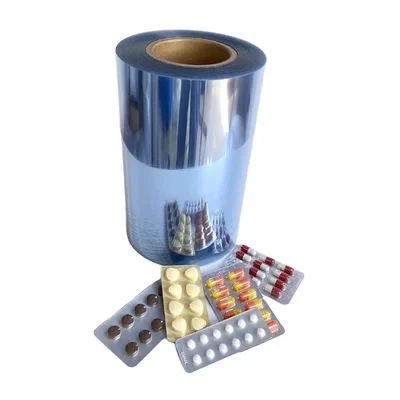


In recent years, packaging technology has undergone significant advancements to provide better protection and presentation of products. Rigid blister PVC film packing is one such innovation that has revolutionized the packaging industry.
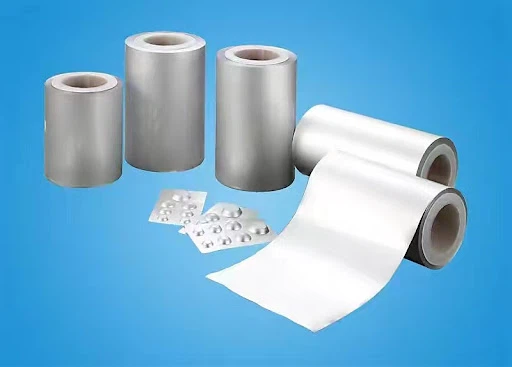
Rigid blister PVC film packing is a type of plastic packaging that is used for a wide range of products. The packaging consists of a clear plastic sheet that is thermoformed into a rigid blister, which is then sealed to a cardboard backing. The plastic sheet is made from PVC (polyvinyl chloride), which is known for its durability and resistance to moisture and chemicals.
The benefits of using rigid blister PVC film packing are numerous. Firstly, the packaging provides excellent protection to the product against external factors such as moisture, dust, and physical damage. The transparent nature of the plastic sheet also allows for easy visibility of the product, making it more attractive to potential customers.
Moreover, rigid blister PVC film packing is highly customizable, allowing manufacturers to design packaging that perfectly fits the product. This type of packaging is also easy to handle, store, and transport, making it ideal for both retailers and consumers.
Rigid blister PVC film packing is commonly used in the pharmaceutical, cosmetic, and food industries. In the pharmaceutical industry, it is used to package tablets, capsules, and other medicines, while in the cosmetic industry, it is used for packaging small bottles and tubes of creams, lotions, and other beauty products. In the food industry, it is used for packaging small items such as candies, mints, and gum.
The popularity of rigid blister PVC film packing is expected to increase in the coming years, as more industries recognize its benefits. The packaging is also eco-friendly, as it can be easily recycled, reducing the impact on the environment.
In conclusion, rigid blister PVC film packing is a significant development in packaging technology that provides excellent protection, visibility, and customization options for products. Its use in various industries is set to increase, making it an essential component of modern-day packaging.