




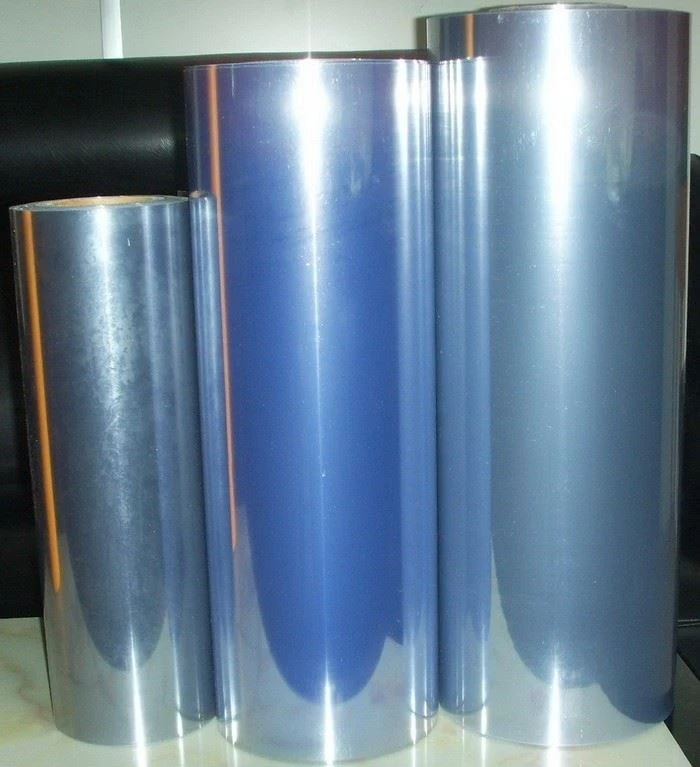
As a supplier of PVC EVOH film, I often get asked about the water vapor transmission rate (WVTR) of this remarkable material. Understanding the WVTR is crucial for various industries, especially those involved in packaging, where protecting products from moisture is of utmost importance. In this blog post, I'll delve into what the water vapor transmission rate of PVC EVOH film is, why it matters, and how it can benefit your business.
What is Water Vapor Transmission Rate?
The water vapor transmission rate is a measure of the amount of water vapor that passes through a material over a specific period under defined conditions. It is typically expressed in grams per square meter per day (g/m²/day). A lower WVTR indicates better moisture barrier properties, meaning the material is more effective at preventing water vapor from penetrating through it.
Factors Affecting the WVTR of PVC EVOH Film
Several factors influence the water vapor transmission rate of PVC EVOH film:
EVOH Content
Ethylene vinyl alcohol (EVOH) is a key component in PVC EVOH film that provides excellent gas and moisture barrier properties. The higher the EVOH content in the film, the lower the WVTR. This is because EVOH has a highly crystalline structure that restricts the passage of water vapor molecules.
Film Thickness
Thicker films generally have a lower WVTR compared to thinner ones. As the thickness increases, the path for water vapor molecules to travel through the film becomes longer, increasing the resistance to moisture transmission.
Temperature and Humidity
The WVTR of PVC EVOH film is also affected by the temperature and humidity of the surrounding environment. Higher temperatures and humidity levels can increase the mobility of water vapor molecules, leading to a higher WVTR. Therefore, it's important to test the film under specific temperature and humidity conditions relevant to its intended use.
Orientation
The orientation of the film during manufacturing can also impact its WVTR. Oriented films, where the polymer chains are aligned in a specific direction, often have better barrier properties compared to non - oriented films. This is because the aligned chains create a more tortuous path for water vapor molecules to pass through.
Measuring the WVTR of PVC EVOH Film
There are several methods available to measure the water vapor transmission rate of PVC EVOH film:
Gravimetric Method
This is a traditional method where a sample of the film is placed in a chamber with a controlled temperature and humidity. A desiccant is placed on one side of the film, and the weight gain of the desiccant over a period of time is measured. The WVTR is then calculated based on the weight gain, the area of the film, and the time elapsed.

Infrared Detection Method
In this method, a sample of the film is placed between two chambers. One chamber contains a high - humidity environment, and the other is at a lower humidity. Water vapor that passes through the film is detected by an infrared sensor, which measures the amount of water vapor based on its absorption of infrared radiation.
Importance of Low WVTR in Various Industries
A low water vapor transmission rate makes PVC EVOH film an ideal choice for many industries:
Food Packaging
In the food industry, moisture can cause spoilage, mold growth, and loss of product quality. PVC EVOH film with a low WVTR can help extend the shelf life of food products by preventing moisture from entering the package. This is particularly important for products such as snacks, bakery items, and fresh produce.
Pharmaceutical Packaging
Pharmaceutical products are often sensitive to moisture, which can affect their stability and efficacy. PVC EVOH film provides an excellent moisture barrier, protecting drugs from degradation. For example, PVC Coated With PVDC For Pharmaceutical and PVC/PVDC Coated Film For Blister Pharmaceutical Packaging are applications where low WVTR is crucial.
Electronics Packaging
Electronics are vulnerable to moisture damage, which can lead to corrosion, short - circuits, and malfunction. PVC EVOH film can be used to package electronic components, protecting them from moisture and ensuring their proper functioning.
Advantages of Our PVC EVOH Film in Terms of WVTR
As a supplier of PVC EVOH film, we offer several advantages:
Customizable Barrier Properties
We can adjust the EVOH content, film thickness, and other parameters to meet the specific WVTR requirements of our customers. Whether you need a film with extremely low WVTR for high - end pharmaceutical products or a more cost - effective option for general food packaging, we can customize the film accordingly.
Quality Assurance
Our manufacturing process is严格 monitored to ensure consistent quality. We conduct regular WVTR testing using advanced equipment to guarantee that our films meet or exceed industry standards.
Competitive Pricing
Despite offering high - quality PVC EVOH film with excellent moisture barrier properties, we are able to provide competitive pricing. This allows our customers to benefit from cost - effective packaging solutions without compromising on quality.
Applications of Our PVC EVOH Film Based on WVTR
Our PVC EVOH film is suitable for a wide range of applications:
Blister Packaging
For pharmaceutical blister packaging, our film with low WVTR can protect tablets and capsules from moisture, oxygen, and light. PVC/PVDC Coated Film For Blister Pharmaceutical Packaging is a great example of how our film can be used in this application.
Flexible Packaging
In the food industry, our PVC EVOH film can be used for flexible packaging of products such as meat, cheese, and ready - to - eat meals. The low WVTR helps maintain the freshness and quality of the food for a longer period.
Packaging for Heat - Sensitive Biologic Drugs
Our Low - Temperature Sealing PVC/PE/PVDC Film For Heat - Sensitive Biologic Drugs is designed to provide a reliable moisture barrier for heat - sensitive biologic drugs. The low WVTR ensures that the drugs are protected from moisture during storage and transportation.
Conclusion
The water vapor transmission rate of PVC EVOH film is a critical property that determines its suitability for various packaging applications. By understanding the factors that affect the WVTR and choosing a high - quality PVC EVOH film, businesses can ensure the protection of their products from moisture damage. As a supplier of PVC EVOH film, we are committed to providing our customers with films that offer excellent moisture barrier properties, customizable options, and competitive pricing.
If you are interested in learning more about our PVC EVOH film or would like to discuss your specific packaging needs, we encourage you to reach out to us. We look forward to the opportunity to work with you and provide you with the best packaging solutions.
References
- "Barrier Polymers and Structures" by John W. Sadler and Steven M. Barlow
- "Plastic Films: Technology and Packaging Applications" by O. P. Khanna