


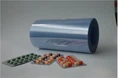


Hey there! As a supplier of PVC hard film, I often get asked about the static electricity property of PVC hard film. So, let's dive into it and see what's going on with static electricity in our PVC hard films.
What is Static Electricity?
First off, let's quickly cover what static electricity is. Static electricity is an imbalance of electric charges within or on the surface of a material. You know that little shock you get when you touch a doorknob after walking on a carpet? That's static electricity in action. It happens when electrons are transferred from one object to another, creating a charge difference.
Static Electricity in PVC Hard Film
PVC hard film, like many plastics, has some unique characteristics when it comes to static electricity. PVC is a dielectric material, which means it's an insulator. Insulators don't allow electrons to flow freely through them like conductors do. When PVC hard film rubs against another material, electrons can be transferred, leaving the film with a net positive or negative charge.
This static charge can cause a few issues. For example, it can attract dust and other small particles. You've probably noticed that your PVC film products sometimes seem to be a magnet for dust. That's because the static charge on the film creates an electrostatic force that pulls in these particles. It can also cause problems during the manufacturing process. Sheets of PVC hard film may stick together due to static electricity, making it difficult to separate them.
Factors Affecting Static Electricity in PVC Hard Film
There are several factors that can affect the static electricity property of PVC hard film.
- Humidity: Humidity plays a big role. In low - humidity environments, static electricity is more likely to build up. That's because water molecules in the air can help conduct electrons away from the charged surface, reducing the static charge. So, in dry conditions, the PVC film is more likely to hold onto its static charge.
- Surface Roughness: The roughness of the PVC film's surface also matters. A smoother surface may generate less static electricity when in contact or friction with other materials compared to a rougher surface. The increased contact area on a rough surface can facilitate more electron transfer, leading to a higher static charge.
- Friction and Contact: The amount of friction and the type of material in contact with the PVC hard film can cause different levels of static electricity. For example, rubbing PVC hard film against a material with a very different electrical conductivity, like a metal, can result in a significant static charge.
Dealing with Static Electricity in PVC Hard Film
As a supplier, we know how important it is to manage static electricity in PVC hard film.
- Anti - Static Additives: One common solution is to use anti - static additives. These additives are incorporated into the PVC during the manufacturing process. They work by making the surface of the film more conductive, allowing the static charge to dissipate more easily. Anti - static additives can be either internal or external. Internal additives are mixed into the PVC resin, while external additives are applied as a coating on the film surface.
- Ionization: Another method is ionization. Ionizers can be used in the manufacturing environment to create a balanced field of positive and negative ions. When the charged PVC hard film passes through this field, the ions neutralize the static charge on the film.
Product Applications and Static Considerations
Our PVC hard films are used in a variety of applications, and each has its own static electricity considerations.
- Medical Packaging: PVC Film Medical Grade is used for packaging medical products. Static electricity can be a big concern here because it can attract dust and contaminants, which is a no - no in the medical field. That's why we ensure that our medical - grade PVC hard films have excellent anti - static properties to maintain the sterility of the packaging.
- General Packaging: Normal Clear PVC Film is widely used for general packaging purposes. While the requirements may not be as strict as in the medical field, static electricity can still cause issues like the film sticking together or attracting dust. So, we also take steps to minimize static in our normal clear PVC films.
- Transparent Applications: PVC Clear Film is often chosen for its transparency. However, the static charge can affect the appearance of the film by attracting dust, which is especially noticeable in clear films. Our anti - static treatments help keep the film clean and looking good.
- Pharmaceutical Packaging: Pharmaceutical PVC Film needs to meet high - quality standards. Static electricity can compromise the quality of the pharmaceutical products by attracting contaminants. We ensure that our pharmaceutical PVC films have effective anti - static measures to protect the drugs inside.
- Pharma - Grade Applications: Pharma Grade PVC Film is used in the most sensitive pharmaceutical applications. The anti - static property is crucial to prevent any contamination and ensure the safety and efficacy of the drugs.
How We Ensure Quality Static - Free PVC Hard Film
We take a multi - pronged approach to ensure that our PVC hard films have the right static electricity properties.
First, we carefully select the raw materials. We work with high - quality PVC resins and anti - static additives to ensure the best performance. Our manufacturing process is also closely monitored. We control the temperature, humidity, and other environmental factors during production to minimize the generation of static electricity.
We also conduct rigorous quality control tests. We measure the surface resistivity of the film, which is an indicator of its ability to conduct electricity and dissipate static charge. We check for dust attraction and other signs of static - related issues.
Why Choose Our PVC Hard Film
When it comes to PVC hard film, our products stand out. Our films have excellent anti - static properties, which means less dust attraction and fewer manufacturing issues. We offer a wide range of products, including PVC Film Medical Grade, Normal Clear PVC Film, PVC Clear Film, Pharmaceutical PVC Film, and Pharma Grade PVC Film, each tailored to meet specific industry needs.
Our commitment to quality means that you can trust our products for your applications. Whether it's for medical, pharmaceutical, or general packaging, our PVC hard films will deliver.


Contact Us for Your PVC Hard Film Needs
If you're in the market for PVC hard film, don't hesitate to reach out. Whether you need to learn more about our anti - static solutions or are ready to place an order, we're here to help. Drop us a line, and let's start a conversation about how our PVC hard films can meet your requirements.
References
- Smith, J. (2020). Principles of Polymer Science. Publisher X.
- Johnson, A. (2018). Packaging Materials and Their Properties. Publisher Y.