


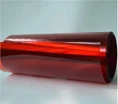


Reflectivity is a crucial property when it comes to metallized PVC film, a product that we, as a dedicated supplier, offer to a wide range of industries. In this blog, we'll explore what reflectivity means in the context of metallized PVC film, how it's measured, and why it matters for different applications.
Understanding Reflectivity
Reflectivity, in simple terms, is the ability of a surface to reflect light. For metallized PVC film, it refers to the proportion of incident light that is sent back from the film's surface rather than being absorbed or transmitted through it. This property is often expressed as a percentage. A higher reflectivity percentage means that more light is being reflected.
The reflectivity of metallized PVC film is primarily determined by two main factors: the metal layer and the surface smoothness. The metal layer, usually aluminum in most cases, plays a significant role. Aluminum has excellent reflective properties, which is why it's commonly used in metallizing processes. The thickness and quality of the aluminum layer can greatly affect the reflectivity. A thicker and more uniform aluminum layer generally leads to higher reflectivity.

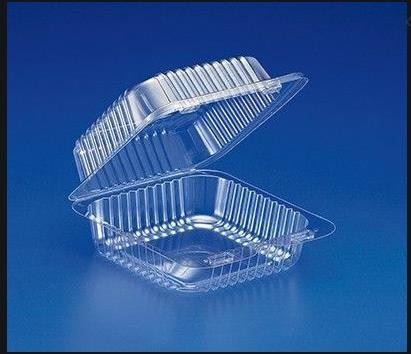
Surface smoothness is another critical factor. A smoother surface allows light to be reflected more uniformly, resulting in higher reflectivity. Any imperfections, such as scratches or unevenness on the film's surface, can scatter the light and reduce the overall reflectivity. During the manufacturing process, we take great care to ensure that the metallized PVC film has a smooth surface to achieve optimal reflectivity.
Measuring Reflectivity
There are several methods to measure the reflectivity of metallized PVC film. One of the most common techniques is using a spectrophotometer. A spectrophotometer emits light of different wavelengths onto the film's surface and measures the amount of light reflected at each wavelength. This data is then used to calculate the overall reflectivity percentage.
The measurement is typically taken at a specific angle of incidence, usually 5°, 10°, 20°, 45°, or 60°. Different applications may require reflectivity measurements at different angles. For example, in some optical applications, the reflectivity at a small angle of incidence may be more important, while in others, a wider angle measurement may be needed.
Another method is the use of a reflectometer. A reflectometer is a simpler device that measures the total reflectance of a surface. It provides a quick and easy way to get an overall idea of the film's reflectivity. However, it may not provide as detailed information as a spectrophotometer.
Importance of Reflectivity in Different Applications
Packaging Industry
In the packaging industry, the reflectivity of metallized PVC film can have several benefits. High reflectivity can enhance the visual appeal of the packaging. The shiny and reflective surface of the film can attract consumers' attention on the store shelves, making the product stand out. For example, in food packaging, Clear PVC Film for Fruit Container with a metallized layer can not only protect the food but also give it an attractive look.
Reflectivity can also play a role in protecting the packaged product. The reflective surface can help to reduce the amount of light that reaches the product, which is especially important for light-sensitive products such as pharmaceuticals. Pharma Pvc Blister Packaging with high reflectivity can help to extend the shelf life of the medications by minimizing the exposure to light.
Automotive Industry
In the automotive industry, metallized PVC film is often used for decorative purposes. The high reflectivity of the film can give the vehicle a sleek and modern look. It can be applied to various parts of the car, such as the interior trim, exterior accents, and emblems. The reflective surface can also enhance the visibility of the vehicle in low-light conditions, which can contribute to safety.
Solar Energy Industry
In the solar energy industry, the reflectivity of metallized PVC film can be used in solar reflectors. Solar reflectors are used to concentrate sunlight onto solar panels, increasing the amount of energy that can be harvested. A high-reflectivity metallized PVC film can effectively reflect a large portion of the sunlight onto the solar panels, improving the efficiency of the solar energy system.
Our Product Offerings
As a supplier of metallized PVC film, we offer a wide range of products with different reflectivity levels to meet the diverse needs of our customers. Our manufacturing process ensures that the aluminum layer is evenly applied, resulting in a consistent and high reflectivity across the film. We also pay close attention to the surface smoothness to ensure optimal reflectivity.
Our Vacuum forming PVC Film can be customized to have different reflectivity properties depending on the specific application. Whether you need a high-reflectivity film for a decorative application or a medium-reflectivity film for packaging, we can provide the right solution for you.
Contact Us for Purchase and Negotiation
If you are interested in our metallized PVC film products and want to learn more about their reflectivity and other properties, or if you have specific requirements for your project, we encourage you to contact us. Our team of experts is ready to assist you in finding the best solution for your needs. We are committed to providing high-quality products and excellent customer service. Let's start a discussion and explore how our metallized PVC film can meet your expectations.
References
- "Fundamentals of Optics" by Francis A. Jenkins and Harvey E. White
- "Plastic Films: Technology and Packaging Applications" by Wilmer A. Jenkins and James P. Harrington
- Industry reports on metallized PVC film applications and properties