


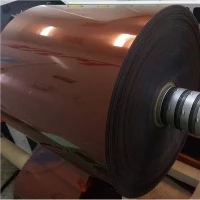

Hey there! As a supplier of Pharma Grade PVC Film, I often get asked about the puncture resistance of our products. It's a crucial aspect, especially when it comes to pharmaceutical packaging. So, let's dive right into what puncture resistance means for Pharma Grade PVC Film.
What is Puncture Resistance?
Puncture resistance refers to a material's ability to withstand forces that try to penetrate it. In simple terms, it's how well the PVC film can prevent sharp or pointed objects from poking through. For Pharma Grade PVC Film, this is super important because it's used to package all kinds of pharmaceutical products, from tablets to capsules and even suppositories.
Imagine you're a pharmaceutical company. You want to make sure that the packaging you use will protect your products during storage and transportation. If the PVC film has poor puncture resistance, it could easily get pierced by something sharp in the shipping environment. This could expose your drugs to air, moisture, or other contaminants, which can reduce their effectiveness or even make them unsafe for use.
Factors Affecting Puncture Resistance
Several factors can influence the puncture resistance of Pharma Grade PVC Film.
Thickness: Generally, thicker PVC films tend to have better puncture resistance. A thicker film provides more material for a puncturing object to go through, so it takes more force to penetrate. However, we also need to consider other factors like flexibility and cost. If the film is too thick, it might not be flexible enough for certain packaging applications, and it could also increase the overall cost of production.
Additives: We often add certain additives to our PVC films to enhance their properties. For example, impact modifiers can improve the film's ability to absorb energy and resist punctures. These additives work by toughening the PVC matrix, making it more difficult for a sharp object to break through.
Manufacturing Process: The way the PVC film is made also matters. A well - controlled manufacturing process can ensure a uniform structure in the film, which is essential for good puncture resistance. Any defects or inconsistencies in the film, such as uneven thickness or tiny air bubbles, can weaken the material and make it more prone to punctures.
Testing Puncture Resistance
We take puncture resistance seriously at our company, so we use standard testing methods to ensure the quality of our Pharma Grade PVC Film. One common method is the ASTM D3420 standard test, which measures the energy required to puncture a film specimen using a hemispherical - headed probe.
Here's how it works: A small piece of the PVC film is clamped in a testing apparatus. Then, a probe with a specific shape and size is pushed through the film at a constant speed. The force applied by the probe and the distance it travels are recorded. From these measurements, we can calculate the puncture force and energy absorption of the film.
This data helps us determine if the film meets the required puncture resistance specifications for different pharmaceutical packaging needs. If a film doesn't pass the testing, we'll go back and adjust our manufacturing process or formula to improve its performance.
Importance in Different Applications
Tablets and Capsules
For tablets and capsules, the PVC film is usually used as blister packaging. Good puncture resistance ensures that the individual compartments in the blister pack remain intact. This protects the tablets or capsules from physical damage and also keeps them isolated from each other, preventing any cross - contamination.
Suppositories
In the case of suppositories, we use products like Suppository PVC PE Film Shell For Pharmaceutical Packaging Film. The puncture resistance of the film is crucial here because suppositories are often long and have a more irregular shape compared to tablets or capsules. A strong film can withstand any pressure or scraping during packaging and handling, keeping the suppositories safe.


Our Product Range and Puncture Resistance
We offer a variety of Pharma Grade PVC Films, each designed to meet different needs.
The Normal Clear PVC Film is a popular choice for many pharmaceutical companies. It has a good balance of clarity, flexibility, and puncture resistance. The clear film allows for easy identification of the packaged products, while its puncture - resistant properties ensure their protection.
Our Transparent Rigid PVC Film is another option. It's more rigid compared to the normal clear film, which gives it enhanced puncture resistance. This is particularly useful for packaging products that need extra protection, such as high - value medications or those that are more fragile.
Choosing the Right Film for Your Needs
When selecting a Pharma Grade PVC Film, it's important to consider your specific requirements. Think about the type of product you're packaging, the storage and transportation conditions, and your budget. If you need a high level of puncture resistance, our rigid PVC film might be the best choice. But if you also need flexibility and clarity, the normal clear PVC film could be more suitable.
We're always here to help you make the right decision. Our team of experts can provide you with detailed information about the puncture resistance and other properties of our films, and we can even offer customized solutions if needed.
Get in Touch for Purchasing
If you're in the pharmaceutical industry and looking for high - quality Pharma Grade PVC Film with excellent puncture resistance, don't hesitate to reach out to us. We're eager to discuss your packaging needs and provide you with the best - fitting products. Whether you're a small - scale pharmaceutical manufacturer or a large - scale distributor, we have the products and expertise to serve you. Let's start a conversation about how we can work together to protect your valuable pharmaceutical products effectively.
References
- ASTM International. "ASTM D3420 - 16(2022): Standard Test Method for Puncture Properties of Plastic Film and Thin Sheeting by Free - Falling Dart."
- Handbook of Plastic Films: Technology, Applications, and Markets.
- Journal articles on polymer materials and their mechanical properties.