


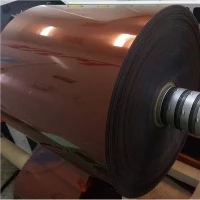

As a supplier of Yellow PVC Film, I've witnessed firsthand the growing demand for this versatile material across various industries. PVC film, known for its durability, flexibility, and wide range of applications, comes in different colors to meet diverse aesthetic and functional requirements. In this blog, I'll explore the impact of yellow PVC film on adhesion performance, a crucial factor in many of its applications.
Understanding PVC Film and Adhesion
PVC film is a synthetic plastic polymer that has gained popularity due to its excellent physical and chemical properties. It is used in a variety of industries, including packaging, construction, automotive, and advertising. Adhesion, on the other hand, refers to the ability of the PVC film to stick to a substrate or another material. Good adhesion is essential for ensuring the longevity and performance of the PVC film in its intended application.
The adhesion performance of PVC film can be influenced by several factors, including the surface properties of the substrate, the type of adhesive used, and the processing conditions. When it comes to yellow PVC film, the color itself can also have an impact on adhesion.
The Role of Color in Adhesion
The color of PVC film is achieved by adding pigments or dyes during the manufacturing process. These colorants can affect the surface properties of the film, which in turn can influence adhesion. Yellow PVC film, like other colored PVC films, may have a different surface energy compared to clear or white PVC film. Surface energy is a measure of the intermolecular forces at the surface of a material and plays a crucial role in adhesion.
A higher surface energy generally leads to better adhesion because it allows the adhesive to wet the surface of the film more effectively. However, the addition of colorants can sometimes reduce the surface energy of the PVC film, making it more difficult for the adhesive to bond. This is particularly true if the colorants are not well-dispersed or if they contain additives that can interfere with the adhesion process.
Impact of Yellow PVC Film on Adhesion Performance
In some cases, yellow PVC film may exhibit slightly different adhesion properties compared to other colors. For example, yellow pigments may have a different chemical composition or particle size compared to other pigments, which can affect the surface roughness and porosity of the film. These surface characteristics can influence the mechanical interlocking between the film and the adhesive, as well as the chemical bonding.
Another factor to consider is the compatibility between the yellow PVC film and the adhesive. Some adhesives may be more compatible with certain colors of PVC film than others. For instance, an adhesive that is designed for use with clear PVC film may not perform as well on yellow PVC film due to differences in surface chemistry. It is important to select an adhesive that is specifically formulated for use with colored PVC film to ensure optimal adhesion.
Factors Affecting Adhesion of Yellow PVC Film
Several factors can affect the adhesion performance of yellow PVC film. These include:


- Surface Preparation: Proper surface preparation is essential for achieving good adhesion. The surface of the substrate should be clean, dry, and free of any contaminants such as oil, grease, or dust. In some cases, it may be necessary to treat the surface with a primer or a surface activator to improve adhesion.
- Adhesive Selection: Choosing the right adhesive is crucial for ensuring good adhesion. The adhesive should be compatible with the yellow PVC film and the substrate, and it should have the appropriate bonding strength and flexibility for the intended application. There are various types of adhesives available, including solvent-based, water-based, and hot-melt adhesives.
- Processing Conditions: The processing conditions during the application of the yellow PVC film and the adhesive can also affect adhesion. Factors such as temperature, pressure, and curing time can all have an impact on the bonding strength. It is important to follow the manufacturer's recommendations for processing conditions to ensure optimal adhesion.
- Environmental Factors: The environmental conditions in which the yellow PVC film is used can also affect adhesion. Exposure to high temperatures, humidity, or chemicals can weaken the bond between the film and the substrate over time. It is important to consider the environmental conditions when selecting the yellow PVC film and the adhesive to ensure long-term performance.
Applications of Yellow PVC Film and Adhesion
Yellow PVC film is used in a wide range of applications, each with its own specific adhesion requirements. Some common applications include:
- Packaging: Yellow PVC film is often used for packaging applications, such as food packaging, pharmaceutical packaging, and consumer product packaging. In these applications, good adhesion is essential for ensuring the integrity of the package and preventing leakage or contamination.
- Advertising and Signage: Yellow PVC film is also used for advertising and signage applications, such as banners, posters, and decals. In these applications, adhesion is important for ensuring that the film stays in place and maintains its visual appeal over time.
- Automotive Interiors: Yellow PVC film is used in automotive interiors for applications such as dashboard covers, door panels, and seat covers. In these applications, adhesion is crucial for ensuring that the film does not peel or delaminate from the substrate, which can affect the appearance and functionality of the interior.
- Construction: Yellow PVC film is used in construction applications for applications such as wall coverings, floor coverings, and roofing membranes. In these applications, adhesion is important for ensuring that the film provides a durable and waterproof barrier.
Improving Adhesion of Yellow PVC Film
To improve the adhesion performance of yellow PVC film, several steps can be taken:
- Surface Treatment: As mentioned earlier, proper surface preparation is essential for achieving good adhesion. This may involve cleaning the surface of the substrate, treating it with a primer or a surface activator, or roughening the surface to improve mechanical interlocking.
- Adhesive Selection: Choosing the right adhesive is crucial for ensuring good adhesion. It is important to select an adhesive that is specifically formulated for use with colored PVC film and that has the appropriate bonding strength and flexibility for the intended application.
- Testing and Validation: Before using yellow PVC film in a specific application, it is important to conduct adhesion testing to ensure that the film and the adhesive meet the required performance standards. This may involve conducting peel tests, shear tests, or other types of adhesion tests.
- Quality Control: Maintaining strict quality control during the manufacturing process is essential for ensuring consistent adhesion performance of yellow PVC film. This may involve monitoring the quality of the raw materials, controlling the processing conditions, and conducting regular inspections and testing.
Conclusion
In conclusion, the color of yellow PVC film can have an impact on its adhesion performance. The addition of yellow pigments or dyes can affect the surface properties of the film, which in turn can influence adhesion. However, by understanding the factors that affect adhesion and taking appropriate steps to improve it, such as proper surface preparation, adhesive selection, and quality control, it is possible to achieve good adhesion performance with yellow PVC film.
As a supplier of Yellow PVC Film, I am committed to providing high-quality products that meet the specific adhesion requirements of our customers. If you are interested in learning more about our yellow PVC film or have any questions about adhesion performance, please feel free to [contact us for a consultation and to discuss your procurement needs]. We look forward to working with you to find the best solution for your application.
References
- ASTM International. (2021). Standard Test Methods for Peel Resistance of Adhesives (T-Peel Test). ASTM D1876-08(2021).
- ISO. (2020). Adhesives - Determination of Peel Strength of a Flexible-Bonded-to-Rigid Laminated Assembly. ISO 8510-2:2020.
- Shen, L., & Zhang, X. (2019). Influence of Pigment on the Adhesion Properties of PVC Film. Journal of Adhesion Science and Technology, 33(12), 1435-1446.