


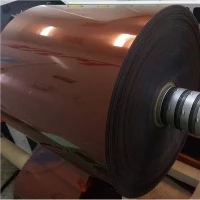

Hey there! As a supplier of Pharma Grade PVC Film, I often get asked about its chemical resistance. So, I thought I'd dive deep into this topic and share what I know.
First off, let's understand what chemical resistance means in the context of Pharma Grade PVC Film. Chemical resistance refers to the ability of the film to withstand the effects of various chemicals without undergoing significant changes in its physical or chemical properties. This is crucial in the pharmaceutical industry because the film is used to package drugs, which may contain a wide range of chemical substances.
One of the main factors that determine the chemical resistance of Pharma Grade PVC Film is its composition. PVC, or polyvinyl chloride, is a synthetic polymer that has inherent chemical resistance properties. However, the specific formulation of the film, including additives and plasticizers, can greatly affect its resistance to different chemicals.
For example, some additives can enhance the film's resistance to solvents, acids, and bases. These additives work by forming a protective layer on the surface of the film, preventing the chemicals from penetrating and causing damage. On the other hand, plasticizers are used to make the film more flexible and durable. But certain plasticizers may be susceptible to chemical attack, so it's important to choose the right ones for the specific application.
Another important aspect is the temperature and duration of exposure to chemicals. Higher temperatures can accelerate chemical reactions and increase the likelihood of damage to the film. Similarly, prolonged exposure to chemicals can also weaken the film over time. So, when evaluating the chemical resistance of Pharma Grade PVC Film, it's essential to consider these factors.
Now, let's take a look at some common chemicals that the film may come into contact with in the pharmaceutical industry.
Solvents
Solvents are often used in the manufacturing and processing of drugs. Some common solvents include ethanol, isopropyl alcohol, and acetone. Pharma Grade PVC Film generally has good resistance to these solvents, especially when it's formulated with the appropriate additives. However, prolonged exposure to high concentrations of solvents may cause the film to swell or lose its mechanical properties.
Acids and Bases
Acids and bases are also commonly found in pharmaceutical formulations. For example, hydrochloric acid and sodium hydroxide are used in various manufacturing processes. The chemical resistance of PVC Film to acids and bases depends on their concentration and strength. In general, PVC Film has better resistance to weak acids and bases than to strong ones. But with the right additives, it can withstand a wider range of acid and base concentrations.
Oils and Fats
Oils and fats are often present in topical medications and some oral drugs. Pharma Grade PVC Film has good resistance to most oils and fats, but it may be affected by certain types of oils, such as essential oils, which can be more aggressive. Again, the formulation of the film plays a key role in determining its resistance to these substances.
When it comes to choosing the right Pharma Grade PVC Film for your pharmaceutical packaging needs, it's important to consider the specific chemicals that the film will be exposed to. You can also request samples from suppliers like me to conduct your own tests to ensure that the film meets your requirements.
Now, let me introduce some of our products that are designed to offer excellent chemical resistance. We have PVC Film Medical Grade, which is specifically formulated for medical applications. This film has been tested to withstand a variety of chemicals commonly found in the medical field, making it a reliable choice for packaging medical devices and drugs.

Another great option is our Transparent PVC/PVDC Blister Film. This film not only provides excellent chemical resistance but also offers high clarity, allowing for easy inspection of the packaged products. It's widely used in blister packaging for tablets and capsules.
We also offer Rigid PVC Film, which is ideal for pharmaceutical packaging that requires more structural integrity. This film has good chemical resistance and can be customized to meet different thickness and stiffness requirements.
In conclusion, the chemical resistance of Pharma Grade PVC Film is a complex but important aspect to consider in the pharmaceutical industry. By understanding the factors that affect its chemical resistance and choosing the right film for your specific application, you can ensure the safety and quality of your pharmaceutical products.
If you're interested in learning more about our Pharma Grade PVC Film or have any questions about its chemical resistance, feel free to reach out. We're here to help you find the best packaging solution for your needs. Let's start a conversation and see how we can work together to meet your pharmaceutical packaging requirements.

References
- ASTM International. (2023). Standard Test Methods for Evaluating the Resistance of Plastics to Chemical Reagents.
- European Pharmacopoeia. (2023). General chapter on packaging materials for pharmaceutical use.
- United States Pharmacopeia. (2023). Chapter on plastic materials in pharmaceutical packaging.