


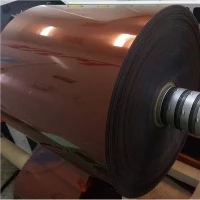

As a PVC film yellow supplier, I've witnessed firsthand the challenges that yellowing presents in the PVC film industry. PVC film is widely used in various applications, from packaging to construction, due to its versatility, durability, and cost - effectiveness. However, yellowing can significantly impact its aesthetic appeal and functionality. In this blog, I'll delve into the environmental factors that contribute to PVC film yellowing.
1. Ultraviolet (UV) Radiation
UV radiation is one of the most prominent environmental factors causing PVC film yellowing. The sun emits a broad spectrum of light, including UV rays. When PVC film is exposed to UV radiation, the chemical bonds within the PVC polymer start to break down.
PVC contains chlorine atoms, and the energy from UV rays can cause the chlorine - carbon bonds to rupture. This leads to the formation of free radicals, which are highly reactive molecules. These free radicals then react with other components in the PVC film, such as stabilizers and additives, causing a chain reaction that ultimately results in the production of chromophores. Chromophores are chemical groups that absorb light in the visible spectrum, giving the PVC film a yellowish tint.
For example, in outdoor applications like window films or outdoor signage made of PVC, continuous exposure to sunlight can accelerate the yellowing process. Even in indoor settings, if the PVC film is near windows where sunlight can penetrate, it is still at risk of being affected by UV radiation. To mitigate this issue, many PVC film manufacturers add UV stabilizers to the formulation. These stabilizers work by absorbing or dissipating the UV energy before it can damage the PVC polymer. However, over time, the effectiveness of these stabilizers may diminish, and yellowing can still occur.
2. Heat and Temperature Fluctuations
High temperatures can also play a significant role in PVC film yellowing. When PVC is exposed to elevated temperatures, the polymer chains become more mobile. This increased mobility allows for chemical reactions to occur more readily.
One of the main reactions that happens at high temperatures is dehydrochlorination. PVC releases hydrogen chloride (HCl) gas when heated. The released HCl can act as a catalyst for further degradation reactions in the PVC film. These reactions can lead to the formation of conjugated double - bond systems in the polymer, which are responsible for the yellow color.
Temperature fluctuations can also be a problem. When the PVC film experiences rapid changes in temperature, it undergoes thermal expansion and contraction. This mechanical stress can cause micro - cracks in the film. These micro - cracks expose more surface area of the PVC to the surrounding environment, making it more susceptible to chemical reactions that lead to yellowing.
In industrial settings where PVC film is used for conveyor belts or in hot - working environments, proper temperature control is crucial. Additionally, in storage, keeping the PVC film at a stable temperature can help prevent premature yellowing.
3. Humidity and Moisture
Humidity and moisture can have a detrimental effect on PVC film. Water can penetrate the PVC film, especially if it has any microscopic pores or defects. Once inside, water can react with the additives and stabilizers in the PVC.
For instance, some metal - based stabilizers used in PVC can react with water to form metal hydroxides or oxides. These compounds can change the chemical properties of the PVC film and contribute to yellowing. Moreover, high humidity can create a favorable environment for the growth of fungi and bacteria on the surface of the PVC film. The by - products of microbial growth can also cause discoloration.
In areas with high humidity, such as coastal regions or basements, special care should be taken when using PVC film. Proper ventilation and moisture - resistant coatings can be applied to protect the PVC film from the effects of humidity.


4. Chemical Exposure
PVC film can come into contact with various chemicals in its environment, which can lead to yellowing. For example, exposure to acidic or alkaline substances can cause chemical reactions in the PVC.
Acids can react with the PVC polymer and its additives, breaking down the chemical structure and promoting yellowing. Alkaline substances can also have a similar effect. In industrial cleaning processes, if the wrong cleaning agents are used on PVC film, it can result in yellowing.
In addition, pollutants in the air, such as sulfur dioxide and nitrogen oxides, can react with the PVC film. These pollutants are often present in industrial areas or areas with high traffic. They can form acidic compounds when they come into contact with moisture in the air, which then react with the PVC and cause yellowing.
5. Oxidation
Oxidation is another environmental factor that contributes to PVC film yellowing. Oxygen in the air can react with the PVC polymer over time. The reaction is usually slow, but it can be accelerated by factors such as heat, UV radiation, and the presence of catalysts.
When PVC is oxidized, the polymer chains are broken down, and new chemical groups are formed. These new groups can absorb light in the visible spectrum, resulting in a change in color. Antioxidants are often added to PVC film to prevent oxidation. However, like UV stabilizers, their effectiveness can decrease over time.
Strategies to Address Yellowing
As a PVC film yellow supplier, I understand the importance of providing solutions to our customers. We offer a range of PVC films with enhanced resistance to yellowing. For example, our PVC Film Red and PVC Film Orange are formulated with advanced stabilizers and additives to minimize the impact of environmental factors. Our Opaque PVC Film also has excellent resistance to yellowing, making it suitable for various applications.
We also provide technical support to our customers on how to store and use the PVC film properly. By following our guidelines on temperature, humidity control, and chemical exposure prevention, customers can extend the lifespan of the PVC film and reduce the risk of yellowing.
Conclusion
In conclusion, several environmental factors contribute to PVC film yellowing, including UV radiation, heat, humidity, chemical exposure, and oxidation. As a PVC film yellow supplier, we are committed to providing high - quality products and solutions to our customers. If you are in need of PVC film for your project, whether it's for packaging, construction, or any other application, we invite you to contact us for a detailed discussion about your requirements. We can help you select the most suitable PVC film that meets your needs and offers long - term resistance to yellowing.
References
- Allen, N. S., & Edge, M. (2012). Photochemistry and Photophysics of Polymers. CRC Press.
- Wypych, G. (2017). Handbook of Polyvinyl Chloride Formulating. William Andrew.
- Zweifel, H., Maier, R. D., & Schiller, M. (2012). Plastics Additives Handbook. Hanser Publishers.