


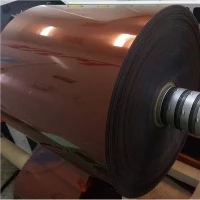

PVDC (Polyvinylidene Chloride) film is a high-performance barrier material widely used in various industries, especially in food packaging and pharmaceuticals. As a supplier of PVC, PE, and PVDC films, I have in - depth knowledge of the different grades of PVDC film and their applications. In this blog, I will discuss the various grades of PVDC film, their characteristics, and how they meet different industrial needs.
1. Low - Barrier PVDC Film
Low - barrier PVDC film is typically used in applications where moderate protection is required. It has a relatively lower level of barrier properties compared to other grades but still offers better performance than common plastics like PVC or PE.
The oxygen transmission rate (OTR) of low - barrier PVDC film is usually in the range of 5 - 15 cc/m²/day/atm at standard conditions (23°C and 50% relative humidity). This level of oxygen barrier is sufficient for products that have a relatively long shelf - life and are not extremely sensitive to oxygen. For example, some snack foods like chips or crackers can be packaged in low - barrier PVDC film. The film helps to keep the snacks fresh by reducing the ingress of oxygen, which can cause staleness and spoilage.
In terms of moisture barrier, low - barrier PVDC film has a moisture vapor transmission rate (MVTR) of around 2 - 5 g/m²/day at the same standard conditions. This is effective in preventing the loss of moisture from the product, which is crucial for maintaining the texture and quality of many food items.
This grade of PVDC film is also cost - effective, making it a popular choice for mass - produced products where high - end barrier properties are not necessary. If you are looking for a balance between cost and basic protection, low - barrier PVDC film can be a great option. For more information on related packaging solutions, you can check out our Pharmaceultical PVC Rigid Sheet.
2. Medium - Barrier PVDC Film
Medium - barrier PVDC film offers enhanced barrier properties compared to the low - barrier grade. It is designed to provide better protection for products that are more sensitive to oxygen and moisture.
The OTR of medium - barrier PVDC film is generally in the range of 1 - 5 cc/m²/day/atm. This significant reduction in oxygen transmission makes it suitable for products such as cured meats, cheeses, and some fresh produce. These products are prone to oxidation, which can lead to color changes, off - flavors, and the growth of spoilage organisms. The medium - barrier PVDC film helps to extend their shelf - life by minimizing the exposure to oxygen.
The MVTR of medium - barrier PVDC film is typically between 0.5 - 2 g/m²/day. This excellent moisture barrier is beneficial for products that need to maintain a specific moisture content. For example, some bakery products can use medium - barrier PVDC film to prevent them from drying out or becoming too moist.
Medium - barrier PVDC film is often used in combination with other materials, such as PVC or PE, to form composite films. Our PVC/PVdC/PE composite films are a great example of this. These composites can take advantage of the unique properties of each material to achieve optimal packaging performance.
3. High - Barrier PVDC Film
High - barrier PVDC film provides the highest level of protection against oxygen, moisture, and other gases. It is used for products that have extremely high requirements for shelf - life and quality preservation.
The OTR of high - barrier PVDC film can be as low as 0.1 - 1 cc/m²/day/atm. This is crucial for products like pharmaceuticals, high - end food products (such as premium chocolates and coffee), and some electronic components. In the pharmaceutical industry, high - barrier PVDC film is used to protect drugs from oxidation and moisture, which can degrade their efficacy.

The MVTR of high - barrier PVDC film is typically less than 0.5 g/m²/day. This outstanding moisture barrier ensures that the product remains dry and stable over an extended period. For example, in the packaging of dehydrated foods, high - barrier PVDC film can prevent the re - absorption of moisture, maintaining the product's original texture and flavor.
High - barrier PVDC film is often used in applications where the product's value is high, and any compromise in quality can have significant consequences. Our PVC laminating film can be customized to achieve high - barrier performance, providing a reliable solution for demanding packaging needs.
4. Special - Purpose PVDC Film
In addition to the above - mentioned grades, there are also special - purpose PVDC films designed for specific applications.
Anti - Fog PVDC Film
Anti - fog PVDC film is treated to prevent the formation of fog on the surface of the film. This is particularly useful in the packaging of fresh produce, such as fruits and vegetables. When these products are packaged, the moisture released from them can condense on the film surface, causing fogging. Anti - fog PVDC film ensures clear visibility of the product, which is important for consumer appeal.
Heat - Sealable PVDC Film
Heat - sealable PVDC film is designed to be easily sealed using heat. This is a common requirement in many packaging processes, as it allows for efficient and reliable sealing of the package. Heat - sealable PVDC film can be used in a variety of applications, from food packaging to industrial products.
Printable PVDC Film
Printable PVDC film has a surface treatment that allows for high - quality printing. This is essential for product branding and information display. Whether it's printing product names, ingredients, or barcodes, printable PVDC film can provide clear and long - lasting prints.
Choosing the Right Grade of PVDC Film
When choosing the right grade of PVDC film for your application, several factors need to be considered.
First, you need to understand the product's sensitivity to oxygen, moisture, and other gases. If the product is highly perishable or sensitive to environmental factors, a high - barrier PVDC film may be required. On the other hand, if the product has a relatively long shelf - life and is less sensitive, a low - or medium - barrier film may be sufficient.
Second, cost is an important factor. High - barrier PVDC films are generally more expensive than low - barrier ones. You need to balance the cost with the required level of protection.
Finally, the packaging process and equipment also play a role. Some grades of PVDC film may be more suitable for certain packaging processes, such as heat - sealing or printing.
Conclusion
As a supplier of PVC, PE, and PVDC films, I understand the importance of choosing the right grade of PVDC film for different applications. Whether you need a low - barrier film for cost - effective packaging or a high - barrier film for premium products, we can provide you with the appropriate solution.

If you are interested in our PVDC films or other related products, please feel free to contact us for procurement and further discussions. We are committed to providing high - quality products and excellent customer service to meet your packaging needs.
References
- "Plastic Packaging Technology" by Andrew Brown
- "Barrier Polymers and Structures" by John M. Crank