


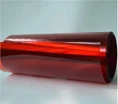


Hey there! I'm a supplier of PVC EVOH film, and I often get asked, "Is PVC EVOH film environmentally friendly?" It's a hot - button topic these days, and I'm here to break it down for you in plain English.
Let's start with the basics. PVC, or polyvinyl chloride, is one of the most widely used plastics in the world. It's durable, flexible, and relatively inexpensive to produce. EVOH, or ethylene - vinyl alcohol copolymer, on the other hand, is known for its excellent gas barrier properties. When you combine these two materials, you get a film that's great for packaging because it can keep oxygen and moisture out, which helps to extend the shelf life of products.
The Good Stuff
First off, let's talk about the environmental benefits. One of the big advantages of PVC EVOH film is its potential to reduce food waste. Since it can create a high - barrier environment for food products, it helps keep food fresh for longer. When food stays fresh, consumers are less likely to throw it away. And we all know that food waste is a huge environmental issue. According to the United Nations, about one - third of all food produced for human consumption is wasted globally. By using PVC EVOH film for food packaging, we can play a small part in reducing this staggering amount of waste.
Another plus is that PVC EVOH film can be lightweight. Compared to some other packaging materials, a thinner layer of PVC EVOH film can provide the same level of protection. This means less material is used in the packaging process, which in turn reduces the overall environmental impact associated with raw material extraction and production.
We also offer a range of products that showcase the versatility of PVC EVOH film. For instance, our [Gold Metallized PVC Film Roll Vacuum Forming For Tray Container Pack](/pvc - film/pharmaceutical - pvc - laminated - film/gold - metallized - pvc - film - roll - vacuum - forming.html) is not only great for keeping products fresh but also has an aesthetic appeal that can make your product stand out on the shelves.
The Not - So - Good Stuff
However, it's not all sunshine and rainbows. PVC has a bit of a bad reputation when it comes to the environment. During its production, PVC can release dioxins, which are highly toxic chemicals. Dioxins can accumulate in the environment and in the food chain, posing serious health risks to humans and wildlife.
When it comes to disposal, PVC is not the most environmentally friendly option. It doesn't biodegrade easily, which means it can sit in landfills for a long time. And if it's incinerated, it can release harmful chemicals into the air, including hydrogen chloride gas, which can contribute to acid rain.
EVOH, while generally considered safer than PVC in terms of environmental impact, also has its limitations. It's a relatively expensive material, which means that more energy and resources are used in its production. And like PVC, it doesn't break down quickly in the environment.


Recycling Challenges
Recycling PVC EVOH film is also a complex issue. The combination of two different polymers makes it difficult to recycle using traditional methods. Most recycling facilities are set up to handle single - polymer plastics, and separating PVC and EVOH is a technically challenging and costly process. This means that a lot of PVC EVOH film ends up in landfills instead of being recycled.
But it's not all doom and gloom. There are ongoing research and development efforts to improve the recyclability of PVC EVOH film. Some companies are exploring new technologies that can separate the polymers more efficiently, while others are looking into ways to use recycled PVC EVOH film in new products.
Our Other Product Offerings
Apart from the gold - metallized film, we also have [PVC/PE Film For Liquid package](/pvc - film/pharmaceutical - pvc - laminated - film/pvc - pe - laminated - film - for - liquid - products.html). This product is specifically designed to handle liquid products safely and securely. And if you're looking for high - barrier solutions, our [High Barrier PVC/PVDC Film Manufacturer](/pvc - film/pharmaceutical - pvc - laminated - film/high - barrier - pvc - pvdc - film - manufacturer.html) offers products that can provide an extra layer of protection against oxygen, moisture, and other contaminants.
Making an Informed Decision
So, is PVC EVOH film environmentally friendly? Well, it's a bit of a mixed bag. On one hand, it has the potential to reduce food waste and can be lightweight, which are positive environmental factors. On the other hand, the production and disposal of PVC EVOH film come with some environmental challenges, especially when it comes to toxicity and recyclability.
As a supplier, we're committed to being as transparent as possible about the environmental impact of our products. We're also constantly looking for ways to improve our products and processes to be more environmentally friendly. If you're a business owner, you need to weigh the pros and cons based on your specific needs. If extending the shelf life of your products and reducing food waste is a top priority, then PVC EVOH film might be a good option. But if you're really focused on using the most sustainable packaging materials available, you might want to explore other alternatives.
Let's Connect
If you're interested in learning more about our PVC EVOH film products or have any questions about their environmental impact, I'd love to hear from you. Whether you're a small - scale producer or a large corporation, we can work together to find the best packaging solutions for your needs. Reach out to us to start a conversation about your packaging requirements and see how our products can fit into your sustainability goals.
References
- United Nations Environment Programme. (2023). Food Waste Index Report 2023.
- European PVC Industry. (2022). PVC Sustainability Report.
- Research studies on polymer recycling and environmental impact of plastics.