


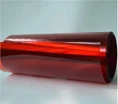


Hey there! I'm a supplier of Flocked PS Sheet, and today I wanna talk about how to sterilize this stuff if it's used in the medical field. It's super important because in the medical world, cleanliness and safety are like the name of the game.
First off, let's understand what Flocked PS Sheet is. It's a type of material that has a flocked surface on a polystyrene (PS) base. The flocking gives it a soft, velvety feel and can be used for various purposes, like in medical devices or packaging. You can check out more about it here: Flocked PS Sheet.
Now, why do we need to sterilize it? Well, in the medical field, any material that comes into contact with patients or medical equipment has to be free from harmful microorganisms. Bacteria, viruses, and other germs can cause infections and other health problems, so sterilization is crucial.
There are several methods to sterilize Flocked PS Sheet, and I'll go through each one of them.
1. Steam Sterilization
Steam sterilization is one of the most common methods used in the medical field. It works by using high-pressure steam to kill microorganisms. The process usually takes place in an autoclave, which is a machine that creates a high-pressure environment.
The advantage of steam sterilization is that it's effective against a wide range of microorganisms, including bacteria, viruses, and fungi. It's also relatively fast and doesn't leave any harmful residues. However, Flocked PS Sheet has some limitations when it comes to steam sterilization. The high temperature and pressure can damage the flocked surface and the PS base. The heat can cause the flocking to melt or become dislodged, and the PS can warp or deform. So, steam sterilization might not be the best option for Flocked PS Sheet.
2. Chemical Sterilization
Chemical sterilization involves using chemicals to kill microorganisms. There are several chemicals that can be used, such as ethylene oxide, hydrogen peroxide, and peracetic acid.


Ethylene Oxide Sterilization
Ethylene oxide is a gas that's highly effective against microorganisms. It can penetrate deep into the material and kill bacteria, viruses, and fungi. The advantage of ethylene oxide sterilization is that it can be used at low temperatures, which is good for materials like Flocked PS Sheet that are sensitive to heat. However, ethylene oxide is a toxic and flammable gas, so special precautions need to be taken during the process. It also requires a long cycle time, usually around 12 to 24 hours, and the material needs to be aerated afterward to remove any residual ethylene oxide.
Hydrogen Peroxide Sterilization
Hydrogen peroxide is a liquid that can be used as a sterilizing agent. It works by releasing oxygen, which kills microorganisms. Hydrogen peroxide sterilization is relatively fast and doesn't leave any harmful residues. It can be used in a variety of equipment, such as vaporized hydrogen peroxide sterilizers. However, like steam sterilization, the high concentration of hydrogen peroxide can damage the flocked surface and the PS base.
Peracetic Acid Sterilization
Peracetic acid is another chemical that can be used for sterilization. It's a strong oxidizing agent that's effective against a wide range of microorganisms. Peracetic acid sterilization is fast and can be used at low temperatures. However, it's also a corrosive chemical, so it can damage the Flocked PS Sheet if the concentration is too high or the exposure time is too long.
3. Radiation Sterilization
Radiation sterilization involves using radiation to kill microorganisms. There are two main types of radiation used in the medical field: gamma radiation and electron beam radiation.
Gamma Radiation Sterilization
Gamma radiation is a type of high-energy radiation that's emitted by radioactive isotopes, such as cobalt-60. It can penetrate deep into the material and kill microorganisms. Gamma radiation sterilization is effective against a wide range of microorganisms and doesn't require any special packaging. However, it can cause some changes in the material, such as discoloration and degradation of the flocked surface and the PS base.
Electron Beam Radiation Sterilization
Electron beam radiation is a type of high-energy radiation that's produced by an electron accelerator. It's similar to gamma radiation in terms of its effectiveness against microorganisms. The advantage of electron beam radiation sterilization is that it's fast and can be controlled more precisely. However, it has a limited penetration depth, so it might not be suitable for thick or dense Flocked PS Sheet.
Choosing the Right Sterilization Method
So, how do you choose the right sterilization method for Flocked PS Sheet? Well, it depends on several factors, such as the type of microorganisms you need to kill, the properties of the Flocked PS Sheet, and the requirements of the medical application.
If the Flocked PS Sheet is going to be used in a low-risk medical application, such as packaging for non-invasive medical devices, then chemical sterilization might be a good option. Chemicals like hydrogen peroxide or peracetic acid can be used at low concentrations and for a short period of time to minimize damage to the material.
If the Flocked PS Sheet is going to be used in a high-risk medical application, such as a component of a surgical instrument, then radiation sterilization might be more appropriate. Gamma radiation or electron beam radiation can provide a high level of sterilization and ensure the safety of the medical device.
It's also important to test the sterilization method on a small sample of Flocked PS Sheet before using it on a large scale. This will help you determine if the method is effective and if it causes any damage to the material.
Other Considerations
In addition to choosing the right sterilization method, there are other considerations when it comes to sterilizing Flocked PS Sheet in the medical field.
Packaging
The packaging of Flocked PS Sheet is important because it can affect the sterilization process. The packaging should be made of a material that's compatible with the sterilization method and allows for the penetration of the sterilizing agent. For example, if you're using steam sterilization, the packaging should be able to withstand the high temperature and pressure. If you're using radiation sterilization, the packaging should be transparent to the radiation.
Quality Control
Quality control is essential to ensure that the sterilized Flocked PS Sheet meets the required standards. This involves testing the material for the presence of microorganisms after sterilization. There are several methods for testing, such as microbiological culture and ATP bioluminescence.
Storage
After sterilization, the Flocked PS Sheet should be stored in a clean and dry environment to prevent recontamination. The storage conditions should be appropriate for the material and the sterilization method used. For example, if you've used ethylene oxide sterilization, the material should be stored in a well-ventilated area to allow for the dissipation of any residual ethylene oxide.
Conclusion
Sterilizing Flocked PS Sheet in the medical field is a complex process that requires careful consideration of the sterilization method, packaging, quality control, and storage. There are several methods available, each with its own advantages and disadvantages. By choosing the right method and following the appropriate procedures, you can ensure that the Flocked PS Sheet is safe and effective for use in the medical field.
If you're interested in purchasing Flocked PS Sheet for your medical application, or if you have any questions about sterilization, feel free to reach out. We're here to help you find the best solution for your needs. And if you're also interested in other related products, you can check out Flocked PVC Sheet and PVC Plastic Sheet for Window.
References
- Block, S. S. (Ed.). (2001). Disinfection, sterilization, and preservation. Lippincott Williams & Wilkins.
- Rutala, W. A., & Weber, D. J. (2008). Healthcare-associated infections: A primer on disinfection and sterilization. American Journal of Infection Control, 36(8), 646-659.
- Spaulding, E. H. (1968). Chemical disinfection and antisepsis in the hospital. Hospital Progress, 49(10), 51-56.