


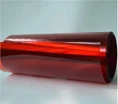


As a seasoned supplier of Pharma PVC Film, I've witnessed firsthand the pivotal role this specialized packaging material plays in the pharmaceutical industry. One of the most critical functions of Pharma PVC Film is to prevent the leakage of drugs. But how exactly does it achieve this? Let's delve into the scientific mechanisms and essential properties that make Pharma PVC Film a reliable solution for drug containment.
Physical Barrier Properties
Pharma PVC Film forms a robust physical barrier around the drugs, shielding them from external factors and preventing leakage. This is primarily due to its dense molecular structure. The PVC (Polyvinyl Chloride) polymers in the film are tightly packed, creating a continuous and impermeable layer. This physical barrier effectively blocks the passage of liquid and gas, ensuring that the drugs remain securely encapsulated within the packaging.
For instance, when a drug is packaged in Transparent PVC/PVDC Blister Film, the film acts as a protective wall. It prevents the drug, whether in solid tablet or liquid form, from seeping out. This is particularly important for drugs sensitive to environmental factors such as moisture, oxygen, and light. The film's ability to prevent leakage also helps maintain the drug's integrity, potency, and stability over its shelf - life.
Another aspect of the physical barrier is its mechanical strength. Rigid PVC Film is designed to withstand various mechanical stresses during handling, transportation, and storage. It has a high tensile strength, which means it can resist being stretched or torn easily. This strength is crucial because any damage to the film could compromise its ability to prevent drug leakage. For example, if the film is too fragile and tears during shipping, the drug may leak out, exposing it to contamination and reducing its effectiveness.
Chemical Resistance
A key factor in preventing drug leakage is the chemical resistance of Pharma PVC Film. Different drugs have diverse chemical compositions, and the film must be able to resist the corrosive or reactive effects of these substances. PVC Film is chemically inert to many common pharmaceutical components, including salts, acids, and bases.
When in contact with a drug, the film does not react chemically. This means that it does not dissolve, swell, or break down over time due to the drug's chemical properties. For example, if a film was not chemically resistant to a particular drug formulation, it could start to degrade, creating holes or weaknesses in the packaging. These flaws would then allow the drug to leak out.
The chemical resistance also ensures that the film does not contaminate the drug. Some materials may release harmful substances or by - products when in contact with certain drugs. However, Pharma PVC Film is carefully formulated to meet strict pharmaceutical standards, ensuring that it is both safe for the drug and capable of preventing leakage.
Sealing Integrity
The way the Pharma PVC Film is sealed around the drug is crucial for preventing leakage. There are several sealing methods used in the pharmaceutical industry, including heat sealing, ultrasonic sealing, and adhesive sealing. Each method is selected based on the type of drug, the film's properties, and the packaging requirements.
Heat sealing, for example, is a widely used method. When heat is applied to the film, the PVC polymers in the film's outer layer start to melt and fuse together. This creates a strong and airtight seal around the drug. The key to a successful heat seal is to control the temperature, pressure, and time precisely. If the temperature is too low, the seal may not be strong enough, leading to potential leakage. On the other hand, if the temperature is too high, the film may over - melt and become distorted, also compromising the seal.
PVC Rigid Clear Film is often used in applications where clear visibility of the drug is required, along with a reliable seal. The film can be easily heat - sealed to form a well - defined and leak - proof package. Ultrasonic sealing uses high - frequency ultrasonic vibrations to create a bond between the film layers. This method is fast and efficient, and it can create a strong seal without applying excessive heat, which is beneficial for heat - sensitive drugs.
Moisture and Gas Barrier
Moisture and gas can have a significant impact on drug stability and can also contribute to leakage issues. Excessive moisture can cause drugs to dissolve, swell, or degrade, leading to potential leakage. Oxygen can react with certain drugs, altering their chemical composition and reducing their effectiveness. Pharma PVC Film is designed to have excellent moisture and gas barrier properties.
The film's molecular structure limits the penetration of water vapor and oxygen. For example, PVDC (Polyvinylidene Chloride) coated PVC films can provide an even better moisture and gas barrier compared to regular PVC films. The PVDC coating acts as an additional layer of protection, reducing the amount of moisture and oxygen that can reach the drug.
By preventing the entry of moisture and gas, the film helps maintain the drug's physical and chemical properties. This, in turn, reduces the risk of drug leakage and ensures that the drug remains in a stable and effective state throughout its shelf - life.
Quality Control and Testing
In our role as a Pharma PVC Film supplier, we understand the importance of quality control and testing to ensure that the film can effectively prevent drug leakage. We subject our films to a series of rigorous tests, including physical property testing, chemical resistance testing, and sealing integrity testing.
Physical property testing measures the film's thickness, tensile strength, and elongation at break. These properties are critical for ensuring that the film can withstand the mechanical stresses it will encounter during packaging and use. Chemical resistance testing involves exposing the film to different pharmaceutical substances to evaluate its ability to resist chemical reactions.
Sealing integrity testing is perhaps the most important test in terms of preventing drug leakage. We use various methods, such as dye penetration tests and pressure decay tests, to check the strength and tightness of the seals. Only after a film passes all these tests can it be considered suitable for pharmaceutical packaging.
Conclusion
In summary, Pharma PVC Film prevents the leakage of drugs through a combination of physical barrier properties, chemical resistance, sealing integrity, and moisture and gas barrier capabilities. These features work together to ensure that drugs are safely and securely packaged, maintaining their efficacy and quality.
As a leading supplier of Pharma PVC Film, we are committed to providing high - quality products that meet the strict requirements of the pharmaceutical industry. Our Transparent PVC/PVDC Blister Film, Rigid PVC Film, and PVC Rigid Clear Film are all designed with the latest technology and manufacturing processes to offer the best protection for your drugs.


If you're in the pharmaceutical industry and looking for a reliable Pharma PVC Film supplier, we invite you to contact us for a consultation. We can help you choose the right film for your specific drug packaging needs and ensure that your products are well - protected from leakage and other potential issues.
References
- Packaging Technology in the Pharmaceutical Industry, John Wiley & Sons.
- Handbook of Plastic Films for Packaging, Elsevier.
- Pharmaceutical Packaging Materials Science, Taylor & Francis Group.