


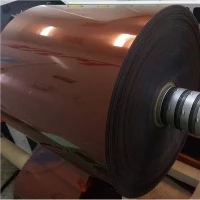

Biodegradable bags have emerged as a sustainable alternative to traditional plastic bags, addressing the environmental concerns associated with plastic pollution. As a supplier of biodegradable bags, I am often asked about the manufacturing process behind these eco - friendly products. In this blog, I will delve into the detailed steps involved in the production of biodegradable bags.
Raw Material Selection
The first and most crucial step in manufacturing biodegradable bags is the selection of appropriate raw materials. There are several types of materials used for biodegradable bags, each with its own unique properties and manufacturing requirements.
Polylactic Acid (PLA)
PLA is a popular choice for biodegradable bags. It is derived from renewable resources such as corn starch or sugarcane. These crops are first harvested and then processed to extract the starch. The starch is then fermented to produce lactic acid, which is further polymerized to form PLA. PLA offers good mechanical properties and transparency, making it suitable for a variety of applications, including PLA Starch Bags.
Starch - Based Polymers
Starch - based polymers are another common raw material. They are made by blending starch with other biodegradable polymers or additives. Starch is abundant, renewable, and biodegradable. However, pure starch has some limitations, such as poor water resistance and mechanical strength. To overcome these issues, it is often combined with other polymers like polycaprolactone (PCL) or polybutylene adipate terephthalate (PBAT). The resulting blend has improved properties and can be used to manufacture high - quality biodegradable bags.
Biodegradable Polyester
Biodegradable polyesters, such as PBAT, are also used in the production of biodegradable bags. PBAT is a copolyester that combines the properties of aliphatic and aromatic polyesters. It has good flexibility, toughness, and processability. Biodegradable polyesters can be used alone or in combination with other materials to achieve the desired performance characteristics.
Mixing and Compounding
Once the raw materials are selected, they need to be mixed and compounded to form a homogeneous material. This process is essential to ensure that the final product has consistent properties.
The raw materials are first weighed according to the desired formulation. They are then fed into a mixer, where they are heated and blended together. The mixing process can be carried out using various types of mixers, such as twin - screw extruders or batch mixers. During mixing, additives such as plasticizers, antioxidants, and colorants may be added to improve the processing and performance of the material.
The compounded material is then extruded into pellets. These pellets are easier to handle and store, and they can be used as the feedstock for the next stage of the manufacturing process.
Film Extrusion
The next step in manufacturing biodegradable bags is film extrusion. In this process, the pellets are melted and extruded through a die to form a thin film.
The pellets are fed into an extruder, which consists of a heated barrel and a screw. The screw rotates and pushes the pellets through the barrel, where they are heated and melted. The molten material is then forced through a die, which has a specific shape and size. The die determines the thickness and width of the film.
There are different types of film extrusion processes, including blown film extrusion and cast film extrusion.
Blown Film Extrusion
Blown film extrusion is a widely used method for producing biodegradable bags. In this process, the molten material is extruded through an annular die to form a tube. Air is then blown into the tube to expand it and form a bubble. The bubble is cooled and collapsed, and the resulting film is wound onto a roll. Blown film extrusion allows for the production of films with a wide range of thicknesses and widths.


Cast Film Extrusion
Cast film extrusion involves extruding the molten material through a flat die onto a chilled roll. The film is then cooled and solidified as it passes over the roll. Cast film extrusion produces films with a smooth surface and high clarity. It is often used for applications where a high - quality appearance is required.
Printing and Conversion
After the film is produced, it can be printed and converted into bags.
Printing
Printing on biodegradable bags is similar to printing on traditional plastic bags. Various printing methods can be used, such as flexographic printing, gravure printing, or digital printing. Flexographic printing is a popular choice for large - scale production. It involves using a flexible printing plate to transfer ink onto the film. The printing can include logos, product information, or promotional messages.
Conversion
The printed film is then converted into bags. There are different types of bags that can be produced, including Biodegradable Shopping Bags and Compostable Garbage Bags. The conversion process may involve cutting, sealing, and adding handles or other features.
Cutting is done using a cutting machine to separate the film into individual bag sizes. Sealing is used to join the edges of the film together to form the bag. Heat sealing is a common method for sealing biodegradable bags, as it provides a strong and reliable seal. Handles can be added to the bags by attaching pre - made handles or by creating handles from the film itself.
Quality Control
Quality control is an important part of the manufacturing process to ensure that the biodegradable bags meet the required standards.
During the manufacturing process, samples are taken at regular intervals and tested for various properties, such as thickness, strength, and biodegradability. Thickness is measured using a thickness gauge to ensure that the film has a consistent thickness. Strength is tested by subjecting the bags to tensile and tear tests to determine their ability to withstand stress.
Biodegradability testing is also carried out to verify that the bags will break down under specific environmental conditions. There are different standards and methods for biodegradability testing, such as ASTM D6400 and EN 13432. These tests simulate the conditions of a composting environment and measure the rate at which the bags degrade.
Packaging and Distribution
Once the biodegradable bags pass the quality control tests, they are packaged and prepared for distribution.
The bags are typically packed in boxes or bundles, depending on the size and quantity. The packaging may include labels with information about the product, such as the type of bag, size, and biodegradability certification.
The packaged bags are then transported to customers, which can include retailers, supermarkets, or other businesses. As a supplier, we ensure that the bags are delivered in a timely and efficient manner to meet the needs of our customers.
Conclusion
The manufacturing process of biodegradable bags involves several steps, from raw material selection to packaging and distribution. Each step is carefully controlled to ensure the production of high - quality, eco - friendly bags. As a supplier of biodegradable bags, we are committed to using sustainable materials and manufacturing processes to minimize our environmental impact.
If you are interested in purchasing biodegradable bags for your business, I encourage you to contact us for more information and to discuss your specific requirements. We offer a wide range of biodegradable bags, including Biodegradable Shopping Bags, Compostable Garbage Bags, and PLA Starch Bags. Our team of experts is ready to assist you in finding the right solution for your needs.
References
- ASTM International. (2023). Standard Specification for Compostable Plastics. ASTM D6400 - 19.
- European Committee for Standardization. (2000). Packaging - Requirements for Packaging Recoverable through Composting and Biodegradation - Test Scheme and Evaluation Criteria for the Final Acceptance of Packaging. EN 13432:2000.
- Narayan, R. (2006). Biodegradable polymers. In Kirk - Othmer Encyclopedia of Chemical Technology. John Wiley & Sons, Inc.