




Hey there! I'm a supplier of PVC film, and this topic is super important to me. PVC film is used in a ton of different industries, from packaging to construction. A big issue we often come across is yellowing. One of the things that might play a role in this is the presence of fillers in the PVC film. So, let's dive into it and see what's up.
First off, what are fillers? Fillers are materials added to PVC to change its properties. They can make the film stronger, more rigid, or even cheaper to produce. Common fillers include calcium carbonate, talc, and silica. These materials are usually pretty inexpensive, so they're a great way to cut down on costs without sacrificing too much quality.
Now, onto the big question: does the presence of fillers affect yellowing? Well, the answer isn't a simple yes or no. It depends on a few different factors, like the type of filler, the amount used, and the conditions the PVC film is exposed to.
Let's start with the type of filler. Some fillers are more likely to cause yellowing than others. For example, calcium carbonate is a popular filler because it's cheap and easy to work with. But in some cases, it can react with other chemicals in the PVC or with oxygen in the air, leading to yellowing over time. On the other hand, some other fillers like talc or silica are generally more stable and less likely to cause this problem.
The amount of filler also matters. If you add too much filler to the PVC, it can change the chemical structure of the film. This can make it more vulnerable to environmental factors that cause yellowing, like UV light and heat. When the filler content is too high, the PVC might not be able to protect itself as well, and you'll start to see that yellow tint creeping in.
The conditions the PVC film is exposed to are a huge factor too. Even if the filler doesn't normally cause yellowing, if the film is in a hot, sunny place for a long time, it can still turn yellow. UV light is a major culprit here. It can break down the chemical bonds in the PVC, and the fillers might not be able to stop the process. Heat can also speed up chemical reactions that lead to yellowing.
In my experience as a PVC film supplier, I've seen different scenarios. Some customers use PVC film in indoor applications where it's not exposed to much sunlight or extreme temperatures. In these cases, the presence of fillers might not be a big deal in terms of yellowing. But for outdoor applications or packaging that might be stored in hot warehouses, it's a whole different story.
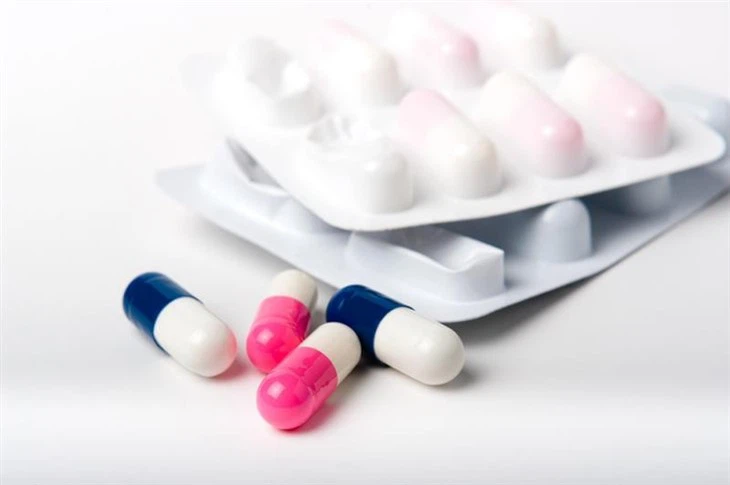
Take a look at some of the products we offer. We have Transparent Pharmaceutical Grade PVC Rigid Film With Different Color Of PE Material, which is used mainly for pharmaceutical packaging. This type of film usually needs to maintain its transparency and color over a long period. So, we have to be really careful about the fillers we use. We make sure to use fillers that won't cause yellowing, especially since the contents inside the packaging are often sensitive.
Another product is Colorful Laminated PVC Film. This film is used for all sorts of decorative purposes, and color is a big factor. If the film starts to yellow, it can really ruin the look. We've done a lot of testing to find the right balance of fillers that will keep the colors vibrant and prevent yellowing.
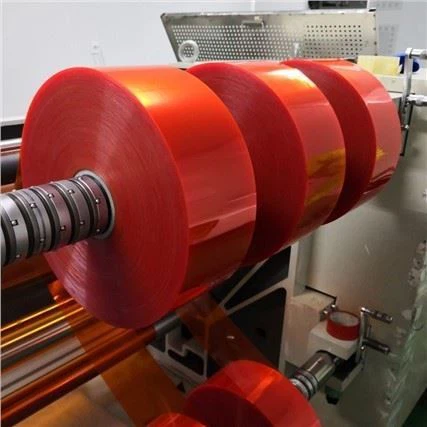
And then there's amber color PVC Film For Medicine Packaging. The amber color is important for protecting the medicine from light. But even with this color, yellowing can still be a problem. We've had to develop special formulations with the right fillers to make sure the film stays in good condition and keeps providing the necessary protection.
So, what can you do if you're worried about yellowing in your PVC film? First, talk to your supplier. Here at our company, we're always happy to have a chat about your specific needs. We can help you choose the right type of PVC film with the right fillers for your application. If you need a film for an outdoor application, we might recommend a film with a lower filler content or a special UV-resistant filler.
Second, think about the storage and usage conditions. If possible, keep the PVC film away from direct sunlight and extreme temperatures. This can go a long way in preventing yellowing.
If you're in the market for PVC film, don't hesitate to reach out. We're here to help you find the best solution for your needs. Whether you're looking for a film for packaging, decoration, or any other application, we've got you covered. We can work with you to develop a custom formulation that meets your specific requirements and minimizes the risk of yellowing.
In conclusion, the presence of fillers in PVC film can affect its yellowing, but it's not the only factor. By understanding the type of filler, the amount used, and the environmental conditions, you can make an informed decision about the PVC film you need. And if you have any questions or need more information, just give us a call. We're always ready to talk and help you get the best PVC film for your project.
Thanks for reading, and I hope this blog has been helpful to you. If you're interested in learning more about our PVC film products or have any purchasing questions, feel free to contact us. We're looking forward to starting a great business relationship with you!
References
- "Plastics Additives Handbook" by Hans Zweifel
- "PVC: Properties, Processing and Applications"