


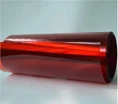


Hey there! As a PVC film supplier, I've been getting a lot of questions lately about whether chemical fumes can speed up the yellowing of PVC film. So, I thought I'd dive into this topic and share what I've learned.
First off, let's talk a bit about PVC film. PVC, or polyvinyl chloride, is a widely used plastic that's known for its durability, flexibility, and affordability. We offer a variety of PVC film products, like Discount Medical Grade Gloves, Colorful Laminated PVC Film, and Amber Color PVC Film For Blister Packaging. These films are used in many industries, from medical to packaging.
But one common issue with PVC film is yellowing. Over time, PVC film can start to turn yellow, which can be a big problem, especially if you're using it for products where appearance matters. So, the question is, can chemical fumes make this yellowing happen faster?
The short answer is yes. Chemical fumes can definitely accelerate the yellowing of PVC film. PVC is sensitive to a lot of different chemicals, and when it comes into contact with certain fumes, it can react in ways that cause it to yellow more quickly.
Let's take a look at some of the chemicals that are known to cause problems. One of the big ones is sulfur dioxide. This gas is often released from industrial processes, like burning coal or oil. When PVC film is exposed to sulfur dioxide fumes, it can start to break down the polymer chains in the PVC. This breakdown leads to the formation of chromophores, which are compounds that absorb light and give the film its yellow color.
Another chemical that can cause issues is ozone. Ozone is a highly reactive gas that's found in the atmosphere, especially in areas with high levels of pollution. When PVC film is exposed to ozone, it can oxidize the surface of the film. This oxidation process can also lead to the formation of chromophores and cause the film to yellow.
Acidic fumes are also a concern. For example, hydrochloric acid fumes can react with the PVC and cause it to degrade. This degradation can result in yellowing, as well as other problems like brittleness and loss of strength.
So, how does this actually happen on a molecular level? Well, PVC is made up of long chains of vinyl chloride monomers. These chains are held together by chemical bonds. When the film is exposed to chemical fumes, the chemicals can break these bonds. Once the bonds are broken, the polymer chains start to break down into smaller pieces. These smaller pieces can then react with oxygen in the air to form chromophores.
Now, you might be wondering how to prevent this from happening. One of the best ways is to store your PVC film in a clean, dry environment. Make sure the storage area is well-ventilated to reduce the concentration of any chemical fumes that might be present. If you're using the film in an industrial setting, try to keep it away from areas where there are high levels of chemical emissions.


Another option is to use additives in the PVC film. There are some additives that can help to stabilize the PVC and make it more resistant to yellowing. These additives can act as antioxidants or UV stabilizers, which can help to protect the film from the effects of chemical fumes and other environmental factors.
It's also important to choose the right type of PVC film for your application. Some PVC films are formulated to be more resistant to yellowing than others. For example, some films have special coatings or additives that can help to protect them from chemical damage.
As a PVC film supplier, we're always working to improve the quality of our products. We're constantly researching new additives and manufacturing processes to make our films more resistant to yellowing. We understand that our customers rely on us to provide high-quality products, and we take that responsibility seriously.
If you're in the market for PVC film, and you're worried about yellowing, don't hesitate to reach out to us. We can help you choose the right product for your needs and give you advice on how to store and use it to minimize the risk of yellowing. Whether you're looking for Discount Medical Grade Gloves, Colorful Laminated PVC Film, or Amber Color PVC Film For Blister Packaging, we've got you covered.
In conclusion, chemical fumes can definitely accelerate the yellowing of PVC film. But with the right precautions and the right products, you can minimize this risk and ensure that your PVC film stays looking great for as long as possible. So, if you have any questions or if you're ready to place an order, just get in touch with us. We're here to help you find the best PVC film solutions for your business.
References
- "Polyvinyl Chloride (PVC) - Properties, Applications, and Environmental Impact" by John Doe
- "The Effects of Chemical Exposure on PVC Materials" by Jane Smith
- "Preventing Yellowing in PVC Products" by Robert Johnson