


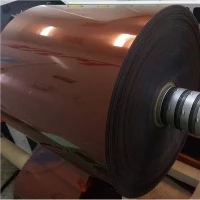

PVC film, known for its versatility, durability, and cost - effectiveness, is a popular material in various industries. One question that frequently comes up is whether PVC film can be laminated with other materials. As a supplier of PVC, PE, and PVDC films, I can provide you with in - depth insights into this topic.
Understanding PVC Film Lamination
Lamination is the process of bonding two or more layers of materials together using heat, pressure, or adhesives to create a single composite material with enhanced properties. PVC film is a favorable candidate for lamination due to its inherent properties such as flexibility, chemical resistance, and good printability.
Why Laminating PVC Film?
- Enhanced Barrier Properties: When PVC film is laminated with materials like PE or PVDC, the resulting composite has improved barrier properties against moisture, oxygen, and other gases. This is crucial for packaging applications where product preservation is key. For example, in the food industry, products need to be protected from spoilage caused by oxygen and moisture. A laminated PVC/PE film can provide an effective solution to extend the shelf - life of food products.
- Increased Durability: Laminating PVC film with a more rigid or abrasion - resistant material can increase its overall durability. The outer layer can protect the PVC film from scratches, punctures, and other forms of physical damage. This is beneficial for applications such as industrial packaging, where the packaged goods may be subject to rough handling.
- Improved Aesthetics: Different materials can bring unique visual effects when laminated with PVC film. For instance, a metallic - looking film can be laminated onto PVC to create an eye - catching packaging design that stands out on the shelves.
Materials Commonly Laminated with PVC Film
Polyethylene (PE)
PE is one of the most commonly used materials for laminating with PVC film. PE has excellent moisture - barrier properties and is relatively inexpensive. When laminated with PVC, it can enhance the overall moisture resistance of the composite film.
- Flexible Packaging: In the flexible packaging industry, PVC/PE laminated films are widely used for packaging snacks, confectionery, and other consumer goods. The PVC layer provides good printability, allowing for attractive product branding, while the PE layer acts as a moisture barrier to keep the products fresh.
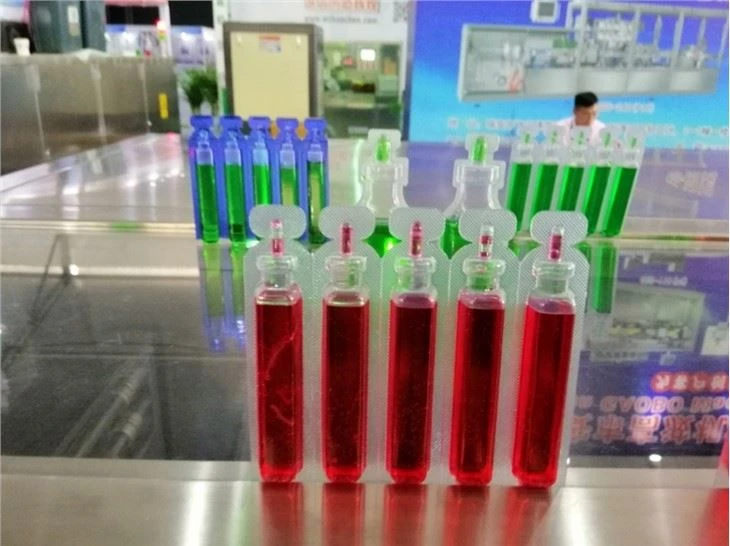
- Medical Packaging: In the medical field, PVC/PE laminated films are used for packaging medical devices and pharmaceuticals. The combination provides a sterile and protective environment for the products. You can find more information about PVC PE Suppository Shell For packing on our website.
Polyvinylidene Chloride (PVDC)
PVDC is known for its outstanding barrier properties against oxygen, moisture, and flavors. Laminating PVC film with PVDC can significantly improve the shelf - life of food and pharmaceutical products.
- Food Packaging: PVDC - laminated PVC films are commonly used for packaging meat, cheese, and other perishable food items. The high - barrier properties of PVDC prevent the ingress of oxygen, which can cause spoilage and oxidation, and also prevent the loss of flavors.
- Pharmaceutical Packaging: In pharmaceutical applications, PVDC - laminated PVC films are used to protect drugs from moisture and oxygen, ensuring the stability and efficacy of the medications.
The Lamination Process
The process of laminating PVC film with other materials can be achieved through different methods:
Adhesive Lamination
This is a common method where an adhesive is applied between the PVC film and the other material. The adhesive is usually a solvent - based or water - based polymer. The two materials are then pressed together under a certain pressure until the adhesive dries and forms a strong bond. Adhesive lamination is suitable for a wide range of materials and can be used to achieve high - quality laminates.
Extrusion Lamination
In extrusion lamination, a molten polymer (usually PE) is extruded between the PVC film and another substrate. The heat and pressure from the extrusion process cause the polymer to bond with both the PVC film and the other material. This method is fast and cost - effective, and it can produce laminates with good adhesion.
Thermal Lamination
Thermal lamination involves heating the PVC film and the other material to a certain temperature and then pressing them together. This method is often used for laminating PVC film with materials that have a similar melting point. It is a simple and efficient process, but it requires careful control of the temperature to avoid damaging the materials.
Challenges in PVC Film Lamination
While PVC film lamination offers many benefits, there are also some challenges that need to be addressed:
Compatibility
Not all materials are compatible with PVC film. Some materials may have different surface energies, which can lead to poor adhesion during the lamination process. It is important to select materials that are chemically compatible with PVC to ensure a strong and durable bond.
Environmental Concerns
PVC is a controversial material due to environmental concerns. When laminated with other materials, the recycling process can become more complicated. However, with the development of advanced recycling technologies, efforts are being made to improve the recyclability of PVC - laminated materials.
Cost
The cost of lamination can be a significant factor, especially when using high - performance materials like PVDC. The cost includes not only the cost of the materials but also the cost of the lamination process. Therefore, it is important to balance the performance requirements with the cost when choosing a lamination solution.
Applications of Laminated PVC Films
Pharmaceutical Packaging
Laminated PVC films play a vital role in pharmaceutical packaging. For example, Shaped Rigid PVC Film is used for blister packs, which provide a secure and tamper - evident packaging solution for tablets and capsules. The lamination can enhance the barrier properties of the film, protecting the drugs from moisture, oxygen, and light. Suppository Packing White Color Laminated PVC/PE Film is another example, which is specifically designed for suppository packaging, ensuring the stability and hygiene of the products.
Food Packaging
In the food industry, laminated PVC films are used for a wide range of products. They can be used for packaging fresh produce, processed foods, and beverages. The lamination helps to preserve the quality and freshness of the food by providing a barrier against external factors.
Industrial Packaging
Laminated PVC films are also used in industrial packaging applications, such as packaging electronic components, automotive parts, and machinery. The enhanced durability and barrier properties of the laminated films protect the products from damage during transportation and storage.
Conclusion
In conclusion, PVC film can indeed be laminated with other materials, and this process offers numerous benefits in terms of enhanced properties, improved aesthetics, and extended product applications. As a supplier of PVC, PE, and PVDC films, we have the expertise and resources to provide high - quality laminated film solutions to meet your specific needs. Whether you are in the pharmaceutical, food, or industrial packaging industry, our laminated PVC films can offer you the performance and reliability you require.
If you are interested in learning more about our PVC, PE, and PVDC film products or have any specific requirements for laminated films, we encourage you to contact us for further discussions and potential procurement opportunities. We look forward to working with you to find the best film solutions for your business.

References
- "Plastic Films for Food Packaging: Properties, Manufacturing, and Applications" by Han - Joong Choi
- "Handbook of Plastic Films" by Sachin S. Deshmukh